Viral Ideas Spread Through Hidden Networks—Not Top-Down Broadcasts
In Barranquilla, Colombia, Oscar Morales sat in his bedroom, frustrated by the silence surrounding a national crisis. Instead of waiting for traditional media to take action, he created a small online group denouncing injustice. Within hours, friends joined him, and by the next day, thousands had signed up. What began as a simple personal declaration soon became a movement; each new member’s involvement was broadcast to their network, encouraging even more to participate. The wall of the digital group filled with passionate messages, not just complaints, but concrete suggestions—calls for demonstrations, public meetings, and shared responsibilities.
Local media noticed, amplifying the digital momentum into headlines and radio segments. Yet it wasn’t the newspaper or the television that made the difference; it was the visible chain of participation—one friend convincing another to take a stand. The group grew quicker than any official campaign could manage, fueled by personal stories and the evidence that “people like me” were taking action. By the scheduled march, crowds numbered in the millions, galvanized not by a central authority but by trust, optimism, and the urgent visibility of collective support.
This wasn’t just a fluke. Behavioral scientists call this the viral or meme effect: ideas spread fastest when people see peers actively endorsing and enacting them. Networks, not loudspeakers, create the real waves of change. Each node is a person with their own circle, and each visible action nudges many more to participate. Viral spread isn’t just a matter of catchy slogans. It works best when ordinary people feel empowered to model action, see tangible results, and observe their peers joining in.
Share what matters most with your close friends first, encouraging honest conversations and visible support. Then take it public—whether through an event page, a group, or a post others can see—making participation contagious. As momentum builds, keep energy flowing by thanking contributors, sharing updates, and highlighting stories. When you organize this way, your ideas can travel far beyond your initial reach, powered by trust and recognition among real people. Don’t wait for top-down approval; your network has viral power—set it in motion, and watch what happens.
What You'll Achieve
Mobilize rapid community action, spread ideas more effectively, and foster a deeper sense of shared purpose. Internally, you’ll feel empowered as a catalyst for change, not merely a spectator.
Harness Viral Spread for Change or Awareness
Share actions or ideas with your immediate circle first.
Start by posting or messaging a close group of friends about a cause, event, or idea you care about. Their endorsement is more likely to spark engagement than a broad, impersonal broadcast.
Make participation public, inviting others to join.
Use digital group features—like walls, event pages, or discussion forums—to let people see who is committed. Social proof encourages further action, as friends influence friends.
Monitor and amplify momentum by responding and sharing updates.
When you see activity, thank participants and share progress or milestones. This feedback loop maintains excitement and keeps momentum strong.
Reflection Questions
- Where have I seen small efforts turn into large movements?
- How does peer endorsement affect my willingness to join in?
- What’s the next idea I’d like to see spread—and who should I tell first?
- How can recognizing viral spread help me avoid misinformation?
Personalization Tips
- A teacher starts an online petition among staff, resulting in school-wide policy change after colleagues share with their own networks.
- A young activist creates a group against local pollution; neighbors join in, and soon city officials are contacted.
- A student creates an online fundraising challenge, first asking friends, then watching it snowball across campus.
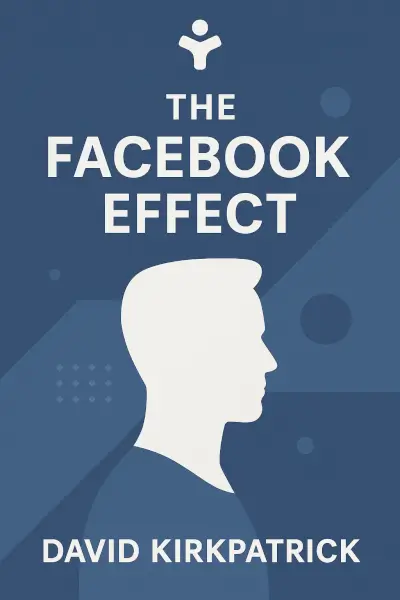
The Facebook Effect: The Inside Story of the Company That is Connecting the World
Ready to Take Action?
Get the Mentorist app and turn insights like these into daily habits.