When Data Beats Intuition: How Evidence-Based Decisions Outperform Hunches
At a mid-size web company, the design team argued for days over which website font style would increase readability and keep users engaged. Managers insisted the classic serif font felt 'warm,' while younger designers swore that sans-serif 'just made sense.' The debate went nowhere—everyone had passionate opinions but no proof.
Finally, a new hire suggested an experiment. They’d silently swap the font on a random 10% of visitors, then measure whether people spent more time or bounced away. The data told a clear, surprising story: the modern sans-serif outperformed the classic by 17%. Just as the team started congratulating themselves for being right, someone pointed out that the improvement disappeared on mobile screens. They’d have missed this completely if they’d trusted only their gut.
Eyes opened, departments began adopting quick listen-test-learn cycles before rolling out changes. Not everything could or should be tested, but for customer-facing products the habit took root. Google’s relentless experiments with homepage details and ad formats exemplified this: the most beloved changes, like increased homepage clarity or targeted ads, all survived rounds of data-driven user feedback before becoming standard.
Psychological research on cognitive bias supports this practice: our first instincts are colored by social trends, memory errors, and status cues. Effective organizations put their beliefs to the test, using real-world responses to guide—and often correct—their strategies.
Whenever you face a decision—big or small—catch yourself before you go with your first instinct. Instead, find a way to run a tiny test: maybe send out a quick poll, try the new approach for a week, or split your project in two to compare methods. Gather actual feedback and don’t ignore surprises. If the data doesn’t match your opinion, get curious—not defensive—and let those results inform your direction. Once this habit takes hold, you’ll find yourself making progress with fewer regrets and more confidence. Challenge yourself to do this with your next project.
What You'll Achieve
You’ll make decisions more confidently, sidestep groupthink and biases, and see faster, more reliable progress in projects or personal improvements.
Always Test Before You Trust Your Gut
Set up a small test before acting.
Instead of going with your first idea or gut, design a way to get feedback—like a survey, A/B test, or sample run.
Collect concrete feedback.
Ask for detailed input from a group likely to be affected—focus on facts, observable reactions, or simple vote counts.
Ignore your biases; focus on results.
Review the data impartially—are outcomes different than you expected? Let the results, not your preferences, guide next steps.
Reflection Questions
- Where do I rely most on gut instinct rather than data?
- What are some simple ways I can get feedback before making a decision?
- Have I ever been surprised by what the data showed?
Personalization Tips
- Launching a new club: Survey students’ interest before building a website or booking space.
- Trying a different homework schedule: Track how long you actually spend and how alert you feel, rather than assuming what works.
- Developing software: Use A/B testing to see which interface users prefer.
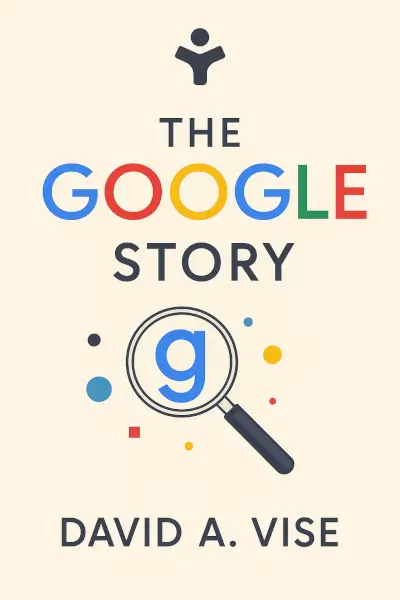
The Google Story: Inside the Hottest Business, Media and Technology Success of Our Time
Ready to Take Action?
Get the Mentorist app and turn insights like these into daily habits.