Obsess Over Customer Experience—Not Just Your Product
When Netflix got started, they didn't just ask what people wanted—they mapped out every frustration of the then-normal video rental process: driving to the store, paying late fees, returning tapes that might get lost or broken, and waiting for unavailable titles. Instead of adding flashy features, they concentrated on solving for these exact irritations, reshaping both systems and perceptions. Changes like free prepaid shipping, clear return policies, and custom mailers solved for the user, not just business efficiency. Service design research shows that focusing first on eliminating customer pain points—what behavioral economists call 'friction costs'—dramatically increases adoption and repeat use, while unnecessary features often add only complexity.
Trace every step your users take when they encounter or use your offering, from interest to completion, and notice every hassle or point of confusion. Instead of aiming to add more features, focus on taking away those annoyances and make the experience smoother at each turn. Listen and watch for which changes actually spark delight or relief from your users—it’s these pain-killing upgrades that make your service irreplaceable.
What You'll Achieve
You’ll internalize the user point-of-view, increasing empathy and building real-world solutions. Externally, you’ll increase customer adoption, satisfaction, and brand advocacy—not because your product is fancy, but because it truly works for them.
Design for the User’s Pain Points First
Map the Full User Journey.
Detail every touchpoint a user has with your service or project, from first encounter to final interaction. Note friction, confusion, or missing elements.
Identify and Prioritize Top Irritations.
Survey real (or potential) users about what bothers them most. Rank these pains, regardless of whether you think they’re 'fair' or not.
Solve for the Irritation, Not the Feature.
Innovate specifically around customer inconvenience—whether it’s shipping, return policy, website navigation, or packaging. Sacrifice 'cool' add-ons if needed.
Reflection Questions
- Where do your users, customers, or teammates experience the most friction?
- How do you decide which pain points most deserve your attention?
- In what ways could you simplify or eliminate the steps that cause frustration?
- What new feedback mechanisms could you add to stay user-focused?
Personalization Tips
- A club website makes event RSVP the first thing on the page so people aren’t lost or forced to hunt for info.
- A tutoring service shifts from paper signups to a one-click online form to spare busy parents extra steps.
- A family replaces complicated recycling schedules with easy-to-read color-coded charts for everyone.
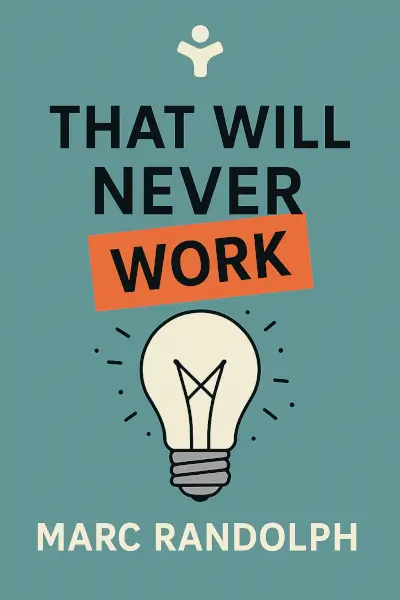
That Will Never Work: The Birth of Netflix and the Amazing Life of an Idea
Ready to Take Action?
Get the Mentorist app and turn insights like these into daily habits.