Embracing Radical Honesty—The Hardest Leadership Skill You’ll Ever Need
Marc Randolph vividly remembers the sting and growth of 'radical honesty.' During a pivotal moment, his co-leader Reed Hastings sat him down, calmly detailed accomplishments and failures, and delivered honest, constructive criticism—no sugarcoating, but no malice either. Reed’s feedback went beyond the surface, zeroing in on areas of judgment, hiring, and decision-making that needed to change for the company's survival. It hurt, especially when it was about something as personal as leadership ability. Yet, by reflecting on both the substance and the respect with which it was offered, Marc recognized this openness wasn’t about ego, but about building a stronger company. Organizational research supports this: teams with regular, candid feedback loops face problems head-on and learn fast, while those that dodge tough conversations see trust erode. Radical honesty is rarely comfortable, but it forms the bedrock for healthy, growth-oriented cultures.
Start with yourself: mention a specific recent misstep, and invite honest feedback from your team or partners. Then, create moments where others can practice giving you and each other direct, constructive critique. After every exchange, make time to discuss what you heard and how things will shift. By making hard conversations routine, you'll clear away lingering resentment and build a team comfortable with the truth—and that's where excellence begins.
What You'll Achieve
Developing comfort with direct, actionable feedback fosters deep trust and rapid personal and organizational improvement. You’ll build inner resilience, break through stagnation, and create environments where honesty accelerates problem-solving and builds genuine respect.
Cultivate Blunt, Respectful Feedback Loops
Model Candid Feedback Yourself.
Begin by openly acknowledging your own missteps or questions in front of peers or team members, inviting others to do the same.
Encourage Timely, Specific Critique.
Set ground rules for feedback: it should be direct, specific, and aimed at growth, not blame. Give examples and practice together.
Reflect and Agree on Next Actions.
After a feedback exchange, summarize what was heard, what will change, and agree to follow up or adjust as needed.
Reflection Questions
- What feedback have you been avoiding giving or receiving?
- How do you react when confronted with uncomfortable truths?
- In what settings could more radical honesty raise performance or morale?
- How do you ensure directness stays respectful rather than hurtful?
Personalization Tips
- In student groups, regularly ask 'What didn’t I see?' after a presentation, and really listen to answers.
- A project team leader opens meetings by sharing recent mistakes and requesting corrections from anyone in the group.
- Parents and teens set aside time each week to discuss what could be improved about daily routines, inviting honest discussion.
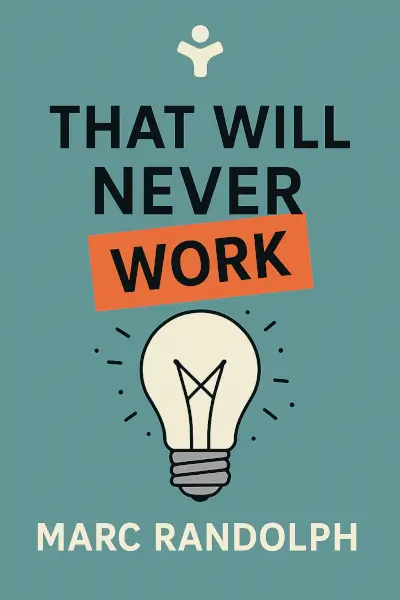
That Will Never Work: The Birth of Netflix and the Amazing Life of an Idea
Ready to Take Action?
Get the Mentorist app and turn insights like these into daily habits.