The Surprising Power of Telling Everyone Your Idea—Before It’s Perfect
It’s easy to think you should wait until your idea is 'ready' before sharing it. Most people hold back, fearing someone will steal their thunder or tear down their ambition. But as Netflix’s early team learned, broadcasting ideas before they're cooked often produces unexpected gifts. Every feedback session exposed hidden flaws, surfaced earlier failures in the industry, or connected them with someone who'd been there. Sometimes, someone even wanted to join the project. It turned brainstorming from a private activity into an enriching, collaborative experience. Sure, exposure brings vulnerability, but it also brings a rush of new perspectives and accelerates learning. Cognitive science shows that creativity and critical thinking are activated when explaining ideas aloud, especially to mixed audiences. The discomfort is real—but so is the growth.
Push yourself to bring up your raw, early-stage ideas to several people, not just your closest friends but also critics or even people in other fields. Build a habit of asking them for honest feedback, and then resist jumping to defend yourself. Each time, jot down what surprised you or what made your idea better. Don’t wait for perfection—appreciate the chaos of collective wisdom. It’s uncomfortable at first but gets easier with every conversation you have.
What You'll Achieve
You will gain confidence sharing imperfect work, become more receptive to critique, and dramatically improve your ideas through wider, quicker input. This habit builds trust, adaptability, and often leads to unexpected breakthroughs and alliances.
Share Unpolished Ideas to Strengthen Them
Set a 'Share Early' Habit.
For every new idea, plan to explain it to at least three people before refining it. Choose a variety of perspectives—trusted peers, skeptics, or even participants.
Actively Invite Critique.
Ask listeners to poke holes, suggest improvements, and share examples of similar efforts they've seen fail. Don’t defend—just listen.
Track Improvements Stemming from Feedback.
Jot down changes or pivots inspired by conversations. Notice patterns in what people respond to and adjust before you commit resources.
Reflection Questions
- What holds you back from sharing ideas early?
- How can you invite productive criticism without feeling defensive?
- Who could you involve next time to diversify your feedback?
- Reflect on a time when outside input made your idea better.
Personalization Tips
- Discussing your science fair proposal with classmates and teachers in rough form, instead of waiting until your model is done.
- Talking about a meal plan or trip idea with family before you settle on the details.
- Bringing up a creative project with peers in an online forum to get diverse reactions.
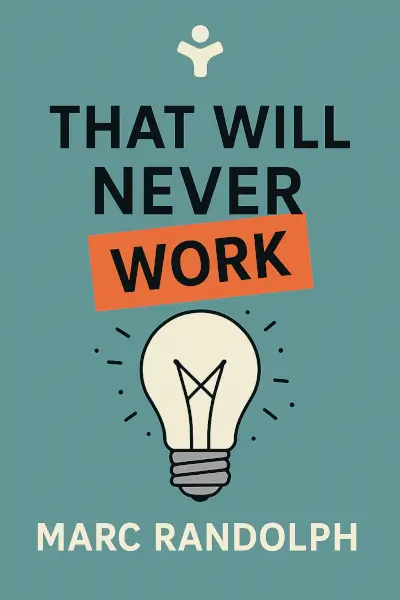
That Will Never Work: The Birth of Netflix and the Amazing Life of an Idea
Ready to Take Action?
Get the Mentorist app and turn insights like these into daily habits.