The ‘Freedom and Responsibility’ Paradox That Drives Great Teams
Take a look inside a thriving startup and you’ll often find a surprising operating principle: employees are treated like adults, trusted with significant autonomy and judged solely on their results. At Netflix's formative stage, clear goals were set, but the path to reach them was deliberately left open. No one tracked vacation days. If the work got done, no one cared if you started at 10 a.m. or worked from home. The result? People respected, not resented, their leaders—and the best talent stuck around. Yet, with that freedom came an equal dose of responsibility: miss your objective or falter on commitment, and the culture made it obvious that change was needed. This principle works because it relies on mutual respect and a shared mission, not detailed rules. Research in organizational psychology backs this up: when people understand what's needed and feel genuine ownership over process, engagement, and creativity soar. Top performers thrive when given independence—with the understanding that accountability is never optional.
Imagine outlining your priorities in plain language so everyone knows exactly what's at stake, then stepping back and letting each person craft their own approach. Trust them to hit their mark, and focus check-ins on honest conversations about progress, not conformity to a script. This may feel unfamiliar, but when you swap control for clarity, you'll build a team that delivers above expectations. Give it a shot this week—watch what changes.
What You'll Achieve
Internally, you foster trust and empowerment, building personal accountability and motivation. Externally, you enable teams to innovate faster, adapt on the fly, and attract high-quality contributors who perform at their best.
Give Clarity, Not Control, to Your Team
Set Crystal-Clear Objectives.
Clearly explain what needs to be achieved and why. Skip the detailed steps—just define the outcome that matters most right now.
Let People Choose Their Path.
Empower colleagues (or family members) to figure out their own way to the goal. Provide guidance or frameworks if needed, but avoid micromanaging methods.
Trust—and Measure—Responsibility.
Monitor progress based on results, not process. Have regular, honest check-ins where everyone shares openly about obstacles and solutions.
Reflection Questions
- Where do you tend to micromanage instead of providing direction?
- What’s one responsibility you could delegate more fully?
- How could clearer outcome expectations improve results in your work or home life?
- What challenges might arise in giving more freedom, and how could you address them?
Personalization Tips
- Instead of telling your group how to divide tasks, set the goal and let each person pick the tools or timeline that suit their style.
- Parents can define the expected outcome ('clean room by Saturday night'), but let kids decide the cleaning order or timing.
- Work leaders shift from controlling hours to measuring actual impact and giving team members flexibility over where and when to work.
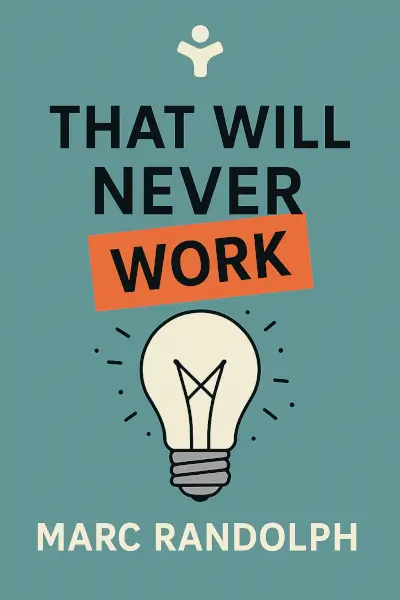
That Will Never Work: The Birth of Netflix and the Amazing Life of an Idea
Ready to Take Action?
Get the Mentorist app and turn insights like these into daily habits.