Why Epiphanies Are Overrated and Progress Comes From Iteration
Waiting for that one spectacular 'aha!' moment to solve your problems? Most people do. The truth is, the natural world rarely rewards us with lightning-strike inspiration. Instead, genuine progress shows up as a series of modest, sometimes clumsy steps that build upon each other. The myth of the epiphany is persistent because stories about instant clarity are cleaner, easier to tell, and frankly, more romantic. Yet, for every tale of a single apple bonking Newton’s head, there are thousands more like the journey from personalized surfboards and dog food to global streaming—a jumbled mosaic of imperfect attempts, each teaching more than success ever could.
Start by scribbling down every idea that’s been bouncing around your head—even the silly or safe ones. Pick just one to tinker with right now and sketch out a way to test it before too much time passes. Give yourself a short, sharp window to try it and jot down what happens. Don’t keep it to yourself: show someone you trust and see what fresh angles they reveal. Skip the pressure to have it all figured out—progress doesn’t wait for inspiration. Try just one small test and learn from it, even if it doesn’t feel like a breakthrough.
What You'll Achieve
You will replace perfectionism and waiting for inspiration with proactive learning through small actions, building real momentum and clarity by testing rather than dreaming. This shift leads to inner resilience and an appetite for feedback, while externally, you’ll move faster, discover hidden opportunities, and be less afraid of failure.
Swap Lightbulb Moments for Small Trials
List All Your Current Ideas.
Write down every project or concept on your mind, big or small. Don’t filter or judge them yet—just get them onto paper to create a starting landscape.
Pick One Idea to Test Quickly.
Choose a single idea from your list that excites you, even if it feels half-baked. Decide on one simple way to try it out with minimal expense or risk.
Set a Concrete, Short Timeframe.
Challenge yourself to run this test within the next two weeks. Define clear boundaries: what will you do, with whom, and how will you know if you’ve learned something?
Gather Feedback from Others.
Share your test or results with a trusted friend, mentor, or small group. Ask what they noticed, what they liked, and if they see improvements or pitfalls.
Reflection Questions
- What is one idea you've been waiting for the 'right moment' to start?
- How do you usually respond to small failures or imperfect results?
- In what ways could quick, low-risk experiments benefit your current goals?
- What support system do you have for getting feedback on your ideas?
Personalization Tips
- Trying a new video format for your school project instead of waiting for the 'perfect' idea to strike.
- Testing a new meal plan for the family next week rather than spending months researching diets.
- Iterating a business pitch at a shop club based on weekly customer reactions instead of waiting for a big eureka moment.
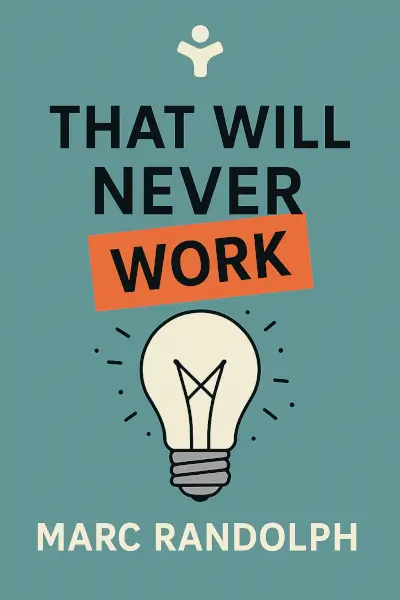
That Will Never Work: The Birth of Netflix and the Amazing Life of an Idea
Ready to Take Action?
Get the Mentorist app and turn insights like these into daily habits.