Why Competing Like Everyone Else Is a Path to Mediocrity
A mid-sized technology company, once a favorite of industry insiders, found itself obsessed with beating its two main rivals. Weekly meetings echoed with references to 'outselling X' or 'outperforming Y.' Product teams burned out chasing tiny feature victories. At reviews, employees began copying methods and even branding from competitors. Costs went up, and morale fell. Meanwhile, a less heralded startup quietly stopped watching what others did. They poured energy instead into a small but dedicated user group, building exactly what those users wanted—something no rival addressed. Over a year, the startup’s loyal community grew. When the larger firms hit a financial bump, the startup’s unique focus stood out. Eventually, they captured the market’s most valuable users. Behavioral science calls this the danger of 'zero-sum thinking'—the belief that you win only if others lose. Studies show that, over time, true differentiation and creating 'value monopolies' (offering something no one else does) lead to higher satisfaction, profitability, and resilience than competing in crowded markets.
Take a moment to write out the places in your life where you get caught battling for the same approval, prizes, or recognition as everyone else. Then, pick just one—maybe a club at school or a routine work assignment—and actually brainstorm how you might stand apart, not just win by a little. Try stepping away from those draining, sameness-focused contests, and use that freed energy to invest in an original project or skill that genuinely excites you. The sense of relief and progress when you break out of endless competition is real—why not give yourself that freedom this week?
What You'll Achieve
Internal gains include greater confidence, originality, and reduced burnout; externally, you’ll build real expertise and create opportunities that others cannot easily match.
Spot and Exit Destructive Competitive Loops
List Your Competitive Traps.
Write down areas where you find yourself constantly comparing or fighting for the same achievements, approval, or activities as others—whether grades, promotions, or leisure time.
Shift Focus To Differentiation.
Pick one area and clarify what would make you truly different or uniquely valuable, not just marginally better.
Reduce Competitive Exposure.
Cut down your involvement in group activities or forums that reward sameness over originality (for example, endless meetings about consensus-building or standardized test prep).
Channel Energy Into a Unique Project.
Redirect the time and energy you used to spend on competing into a personal or team project where you can define the criteria for success.
Reflection Questions
- Where am I wasting the most energy trying to outdo others?
- What skills or interests do I bring that are truly unique?
- How would my daily experience change if I stopped playing zero-sum games?
- What’s one project I’ve hesitated to start because it’s too different?
Personalization Tips
- Instead of aiming to outscore classmates in every subject, focus on excelling in robotics club, where few participate.
- At work, reduce time spent on projects everyone’s fighting for and pitch a new initiative you design yourself.
- In family life, avoid competitive parenting traps and devise special rituals that highlight your kid’s unique interests.
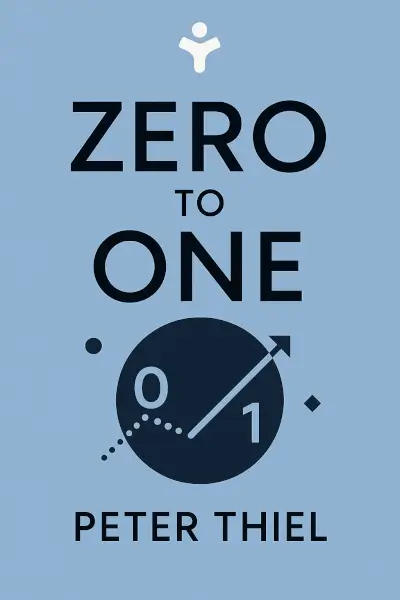
Zero to One: Notes on Startups, or How to Build the Future
Ready to Take Action?
Get the Mentorist app and turn insights like these into daily habits.