The Limits of Suppression—Why Expressing and Managing, Not Avoiding, Is Key to Resilience
For many people, expressing difficult feelings—especially at work or school—brings fear of being judged, rejected, or punished. The urge to stuff things down, cope alone, or fake positivity is both common and understandable, but often leads to misunderstandings, resentment, and even physical health issues over time. The science is clear: open, skillful expression of emotion, when done with care, leads to better mental health, stronger relationships, and greater resilience in the face of adversity.
Consider a manager who, for years, kept silent about workplace frustrations to avoid conflict—only to find himself suddenly overwhelmed one afternoon, snapping at employees and regretting it for weeks. After learning strategies for open, constructive expression, he began stating, 'I'm feeling frustrated about our communication gaps,' followed by a solution-oriented suggestion. The change didn’t happen overnight, but gradually, the entire team became more open, honest, and responsive, turning tense meetings into collaborative problem-solving sessions.
We now know that the key isn’t just to express whatever arises, whenever it arises—it’s to do so with skill and attention to context. The best communicators choose words and timing that signal openness rather than threat, inviting empathy instead of defensiveness. Resilience is built one conversation at a time, through practice, feedback, and willingness to repair when things don’t go perfectly. Over time, those who make a habit of open expression develop stronger personal and professional networks and recover faster from setbacks.
When you notice yourself inclined to bottle up an uncomfortable feeling, pause to ask yourself why and what the risks of continued suppression might be. Make a conscious effort to start expressing your emotions—maybe quietly at first, and with thoughtful words, but honestly and directly. Invite the listener into the conversation, letting them know you’d welcome their response. Afterwards, talk together about what worked and where it was challenging, so you can keep improving your shared approach. Practice this in your everyday conversations and observe how both your confidence and your relationships grow.
What You'll Achieve
Shifts habitual avoidance toward healthier, more authentic communication; builds psychological safety, deepens relationships, and supports mental health resilience.
Practice Open, Skillful Emotional Expression
Notice and challenge your default to suppress difficult feelings.
When you want to avoid talking about sadness, anger, or fear, pause and reflect on what is driving your impulse to hide it.
Express emotions directly, but not destructively.
Choose timing, words, and tone carefully. It's often helpful to state, 'I'm feeling upset because…,' without blaming or attacking.
Ask for empathy, listen, and debrief.
After expressing your feelings, invite reactions from others and listen openly. Consider discussing what helped you both feel heard and what you might change next time.
Reflection Questions
- When do I most often suppress emotions, and why?
- What worries me about expressing feelings, and are those fears well-founded?
- How can I signal openness and invite better conversations in my life?
Personalization Tips
- An employee respectfully explains their frustration to a manager during a 1:1, instead of bottling it up.
- A teenager shares feelings of anxiety with parents using 'I feel' statements.
- A teacher models open expression by admitting to feeling tired and needing extra help today.
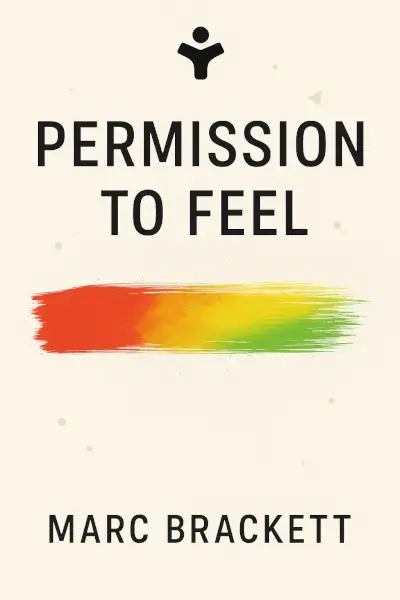
Permission to Feel: The Power of Emotional Intelligence to Achieve Well-Being and Success
Ready to Take Action?
Get the Mentorist app and turn insights like these into daily habits.