Emotions Shape Learning, Health, and Creativity—Not Just Relationships
For a long time, school and work environments told us to leave our feelings at the door—and many people believed emotions were irrelevant to learning or productivity. Current science has thoroughly debunked that myth. Strong feelings, both positive and negative, have direct and measurable effects on attention, focus, memory, and even immune response. For example, anxiety or fear triggers stress hormones like cortisol, which narrow focus and make it hard to learn or remember new information. In contrast, mild excitement or curiosity increases engagement and supports creative thinking.
Health is not exempt: emotional distress is correlated with poorer sleep, increased cravings, and more frequent illness—while positive social connections and regular emotional expression boost physiological well-being. Even creativity, often seen as magical or innate, thrives under conditions where emotional states cycle in healthy ways; joy can open the mind to new ideas, but even sympathetic frustration with a problem can motivate novel solutions.
Recognizing that emotion is the engine of learning, health, and creativity, not just a peripheral 'human factor,' is a paradigm shift. The most effective learners, leaders, and artists learn how to notice and adjust their emotional states. They know when to push, when to rest, and when to seek new emotional fuel.
For the next few days, pay extra attention to how your emotional state impacts your ability to concentrate, recall information, and generate ideas. Jot a quick note when you notice a mood shift paired with brain fog or, conversely, with brilliant insight. As you notice patterns—like stress draining creativity or excitement fueling productivity—start tweaking your schedule or habits to capitalize on positive emotions and manage or reset when negative ones strike. You’ll likely see real gains in learning and wellness within a week.
What You'll Achieve
Increases self-awareness of the body-mind link; unlocks higher performance and well-being by matching emotional states to tasks and routines.
Notice How Feelings Impact Your Performance and Body
Track how emotional states affect your focus and memory.
Spend a few days noting what you’re feeling during study, work, or creative tasks and whether you’re absorbing or forgetting information more easily.
Observe emotional signals in your health and creativity.
Notice links between chronic stress or negative feelings and headaches, sleep, or appetite. Ask yourself which moods precede creative breakthroughs, and which shut them down.
Adjust routines to harness emotions for better outcomes.
Experiment with using excitement or curiosity to dive into challenging tasks, or take breaks to recharge when frustrated. Shift perspective instead of pushing through negative spirals.
Reflection Questions
- What emotional states help or hinder my performance most?
- How does my body signal emotional overload?
- Where could I experiment with changing my routines to better match my natural moods?
Personalization Tips
- A student reviews mood and memory, realizing anxiety blocks retention while mild excitement boosts learning.
- An artist notices new ideas flowing after moments of joy but getting blocked when feeling overwhelmed.
- A manager recognizes that chronic stress leads to tension headaches and poor decision-making.
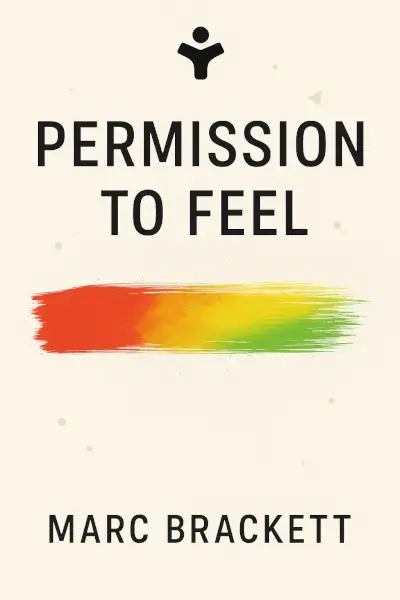
Permission to Feel: The Power of Emotional Intelligence to Achieve Well-Being and Success
Ready to Take Action?
Get the Mentorist app and turn insights like these into daily habits.