Emotional Regulation Isn't Suppression—It’s a Life-Long Learning Process
Emotional storms can hit in a flash—a sharp comment from a colleague, a child melting down over homework, a spouse criticizing dinner plans. In those first seconds, your heart kicks up, hands clench, words well up at your lips. For years, you may have heard and tried the old advice: 'Just calm down.' But as you know, that rarely works, and can even leave you feeling more frustrated or ashamed. That’s where the concept of regulation as an evolving, lifelong skill comes in. True regulation is not an act of force, not stuffing emotions into some emotional closet; it's noticing, pausing, and choosing deliberately. The practice starts with something simple but hard—a Meta-Moment: the humble act of pausing to breathe, even if only for two or three seconds.
Take the example of a parent who, after a long workday, finds herself on the verge of yelling after the tenth 'Mom!' Before the habitual outburst, she stops, breathes, and gently remembers her best self—visualizing the parent she wants to be (even if she can't always reach it). With the anger's sharp edge softened, she can offer a calmer response or ask for a short break to regroup. Over time, this practice rewires her habits—anger no longer rules the home. Studies show this process—pause, visualize, choose—builds emotional resilience and self-control. You’ll still feel triggered, but you’ll shift from reactive to responsive more often.
Some days, the old patterns break through, and you react before you can catch yourself. That’s expected—regulation is a journey, not a destination, and every new pause strengthens your tool kit. Eventually, you develop the confidence and flexibility to meet even the most charged emotions with both compassion and strength.
Whenever you sense yourself getting swept up in frustration, anger, or sadness, try pausing for a few deep breaths instead of letting your reflexes take over. Remind yourself of the version of yourself you most want to embody in that moment—more caring, curious, or simply calm. Then pick a strategy that fits: maybe it's changing your self-talk, reframing the problem, reaching out for support, or just stepping away for a moment. Practice this over time; the more you do, the more natural and effective your emotional regulation becomes. Give it a go next time you're triggered—see if that tiny Meta-Moment can break an old habit.
What You'll Achieve
Teaches conscious emotional self-control, replaces unhealthy patterns with proactive strategies, strengthens resilience and coping over the long term.
Build a Regulation Toolbox Beyond 'Just Calm Down'
Catch your initial reaction with a Meta-Moment pause.
When triggered, breathe deeply for a few seconds and resist the urge to react impulsively. This short pause is crucial for shifting from reaction to responsiveness.
Identify your 'best self' in the moment.
Recall how you aspire to respond—kind, patient, calm—especially when challenged. Visualizing your best self provides a guidepost for behavior.
Choose and apply a specific regulation strategy.
Depending on the situation, this may mean reappraising the problem, using self-talk ('I can handle this'), seeking support, taking a break, or co-regulating with someone else (e.g., a calming walk or shared joke).
Reflection Questions
- What’s my most common trigger for impulsive emotional reactions?
- What qualities would my best self display in those moments?
- Which new regulation strategy could I try next time I feel overwhelmed?
Personalization Tips
- During a tense family dinner, pause before snapping, then ask yourself how your most patient self would respond.
- In a heated meeting, take a deep breath, recall your leadership ideals, and redirect the conversation with a clarifying question.
- A student upset by a bad grade spends a few minutes labeling disappointment, imagines herself as her own best supporter, and maps next steps.
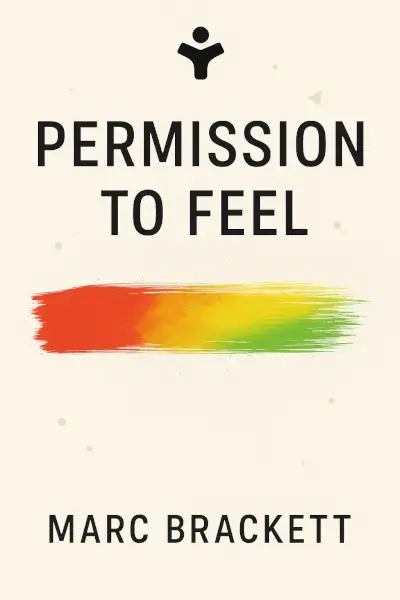
Permission to Feel: The Power of Emotional Intelligence to Achieve Well-Being and Success
Ready to Take Action?
Get the Mentorist app and turn insights like these into daily habits.