Hidden Dangers of Internalized Criticism—Silencing Your Inner Detractors
It’s all too familiar—the little jabs echoing inside your head. Maybe it’s when you spill coffee, send an awkward email, or struggle to stick to a workout routine. You hear, 'See, you’re hopeless,' or 'Nobody takes you seriously.' Those words sound like your own, but if you listen closely, they might ring with the tones of someone from your past—often your mother or another dominant figure.
These internal critics don’t just pop up randomly. Over years, you’ve absorbed messages—sometimes subtle, sometimes obvious—about not being enough, being too messy, too emotional, too loud. Eventually, they blend into your own thoughts, feeding a quiet, simmering shame. You start to expect criticism everywhere, and even anticipate failure. Sometimes, those voices get so loud, they overshadow actual praise from others.
One evening, as you’re cleaning up after dinner, you realize you’re berating yourself for not wiping the counters perfectly. Pausing, you remember your mother’s habit of pointing out smudges rather than meals. But looking at the kitchen, you see it’s clean, warm, and filled with the scent of roasted garlic—a home you’ve created yourself.
Cognitive-behavioral psychologists have long recognized these negative inner voices as learned, not innate. Research shows that writing down self-criticisms and actively tracing their origins can weaken their power. By countering them with reality-tested affirmations—grounded in actual, lived success—even the smallest one—you update your mental script, making room for a kinder, more factual voice.
The next time your inner critic gets loud—maybe after a mistake or a moment of doubt—pause and write down the exact words you’re telling yourself. Ask yourself whose voice it sounds like, then look for evidence from your own life that challenges it, however small. Once you spot even one example where the criticism isn’t true, create a reality-based affirmation and say it to yourself. With regular practice, these critics start losing their strength, and you gain a clearer, kinder sense of who you really are.
What You'll Achieve
Gain awareness and control over negative self-talk, resulting in reduced anxiety and increased self-confidence. This enables you to face challenges and setbacks without spiraling into shame.
Disempower Your Internal Critics with Reality Checks
List negative self-talk statements you notice.
Notice phrases that echo in your mind, like 'I’m not good enough' or 'I always mess up.' Write down any that feel familiar.
Trace where each message comes from.
For each negative statement, ask yourself whose voice it resembles—your mother, another family member, or even a past teacher.
Gather real evidence to challenge each critic.
Identify situations where the negative self-talk wasn’t true or was exaggerated. Make a brief note of success, kindness, or progress, however small.
Replace each criticism with a reality-based affirmation.
Write a positive, realistic statement to counter each negative message. For example, change 'I always mess up' to 'I make mistakes sometimes, just like everyone, and I still accomplish a lot.'
Reflection Questions
- What messages from childhood still play in your mind daily?
- How have internal critics shaped your decisions or relationships?
- Can you remember a time a negative belief was actually proven wrong?
- What positive statement could you practice instead?
Personalization Tips
- In a sports context: When you mentally rehearse your coach's past criticisms, stop and recall moments of perseverance and small victories.
- In friendships: If you second-guess texts you send, remind yourself of times friends have genuinely enjoyed your company.
- At a new job: When you feel like an impostor, cite specific skills you used successfully in past roles, and share them with a mentor.
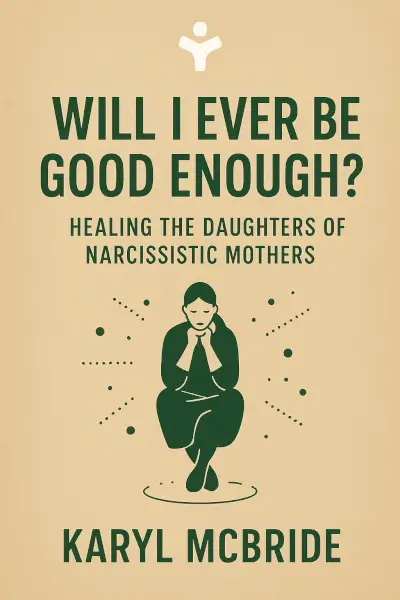
Will I Ever Be Good Enough? Healing the Daughters of Narcissistic Mothers
Ready to Take Action?
Get the Mentorist app and turn insights like these into daily habits.