Master Self-Regulation When 'Boredom' Feels Physically Unbearable
For people with ADHD, the word 'boredom' isn’t just a fleeting mood—it can be a sharp, almost physical discomfort. The science points to dopamine, the neurotransmitter that rewards novelty, challenge, and curiosity. Classic advice to 'just focus' falls flat when your brain’s chemistry is wired for stimulation. If tasks lack excitement, your mind rebels and seeks new input. One student, trying to read a textbook, found herself jumped out of her chair, digging through old board games instead. It’s not a lack of discipline—it’s biology. The trick is not to grit your teeth tighter, but to design your day for your brain: frequent changes, mini-rewards, and playful approaches.
Here’s how to outsmart your wired-for-novelty brain: First, become a detective—notice when you’re most likely to get bored or zone out. Then, prep your day with a few quick wins: add background music, change up the order of your to-do list, even set silly goals like ‘reply to three emails before the next coffee sip.’ Experiment with combining everyday chores (laundry, tidying up) with enjoyable audio distractions, and when you sense focus slipping, get up, move, and reset. Boredom isn’t your enemy—it’s a signal you need a fresh input. Lean into your creative wiring and find ways to satisfy it, not suppress it. Try it out for a week and see the shift.
What You'll Achieve
Experience more energy, less exhaustion from fighting focus battles, and higher productivity by leveraging natural dopamine pathways rather than resisting them.
Hack Your Dopamine—Don’t Fight Your Brain
Spot your boredom triggers during the day.
Keep a log or make quick notes every time you notice yourself losing focus, growing restless, or desperately wanting stimulation.
Design small, healthy dopamine boosts into your routine.
Build in energizing micro-breaks: change locations, switch up tasks, or add novelty (music, a new playlist, a playful goal) to repetitive work.
Pair boring but necessary tasks with something you enjoy.
For chores or paperwork, play a favorite podcast or use a time-based challenge to boost your sense of reward.
Tune into your body’s signals before zoning out.
Notice when your attention starts to slip. Take a physical pause—stand, stretch, or switch tasks for a minute—before returning refreshed.
Reflection Questions
- What patterns can I spot around when I lose focus or get bored?
- How can I add more novelty or small rewards to my toughest tasks?
- What’s one healthy way to re-energize when my brain screams for stimulation?
Personalization Tips
- During study sessions, alternate subjects every 20 minutes and reward focus with a walk or snack.
- At work, use a timer to gamify routine emails, then switch to a creative project as a reward.
- For household chores, challenge a roommate or partner to a five-minute speed-cleaning race.
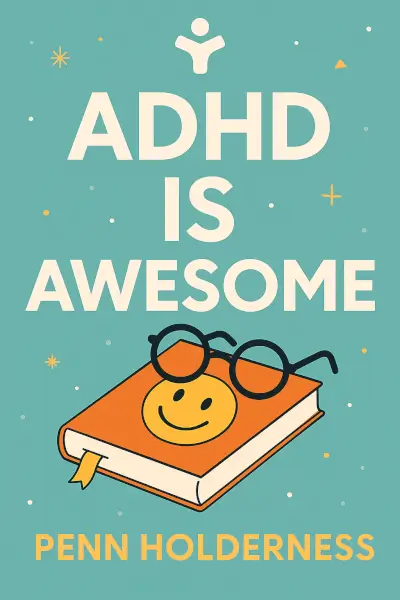
ADHD Is Awesome: A Guide to (Mostly) Thriving with ADHD
Ready to Take Action?
Get the Mentorist app and turn insights like these into daily habits.