The question most parents ask after a book is the one guaranteed to end the conversation
Allison finished reading Princess Academy and set it on the counter. Finished, she said, grinning at her mother, Sarah Mackenzie. Mackenzie smiled back and asked the obvious question: Did you like it? Oh, I loved it, Allison said, already opening the fridge. What did you like so much about it? I don't know. Everything, I guess. It was really good. And that was that.
Mackenzie later realized the question she'd asked was almost engineered to shut a conversation down, because it only has two possible answers, and neither one requires a child to think for more than a second. It's the question most parents default to, and it's the reason so many post-book conversations go nowhere.
The fix she settled on wasn't a smarter follow-up question so much as a different category of question altogether, one with no single correct answer, which forces a child to actually construct a response instead of retrieving one. Questions like what did the character want most, and why couldn't he have it, or should she have done that, don't have a right answer waiting at the back of the book, so a child has to build one from scratch, and often surprises the adult asking. When Mackenzie asked her son Drew who was most courageous in My Side of the Mountain, expecting an answer about surviving alone in the wilderness, he said instead: when he ran away from home. That single answer opened a much richer conversation about what it means to step out on your own than any comprehension question ever could have.
What matters, in Mackenzie's account, isn't landing on a profound answer. It's the habit of being asked, and eventually asking yourself, questions that don't resolve neatly, a habit strong enough that one of her teenage daughters now claims she works out her answer to who was bravest in every book she reads, purely because she's sure her mother will ask. Mackenzie doesn't even need to have read the book herself for this to work; the curiosity behind the question matters more than any expertise about the answer.
It's not the answer that matters as much as the fact that she keeps asking herself the question, book after book, whether her mother is in the car or not.
Retire the question that ends every conversation before it starts, and stop asking whether they liked it. Ask instead what a character wanted most and what stood in their way, or whether a character should have done what they did, since neither question has one correct answer. When you get a flat one-word response, follow it with why, and keep following it. Try talking about a book you haven't read yourself, trusting your own curiosity more than any expertise you don't have. And let the conversation end without wrapping it in a lesson; it mattered even if nothing got resolved.
What You'll Achieve
The listener replaces closed, one-word questions with open-ended ones that invite genuine thought, and stops needing to have read a book themselves to talk about it meaningfully. Visibly, book conversations stretch from a few seconds into real back-and-forth, and the child starts asking themselves these questions unprompted while reading alone.
Ask questions that actually open a conversation
*Retire did you like it*
Stop defaulting to a question with only one dead-end answer.
*Ask a question with no right answer*
Try something like what a character wanted most and what stood in their way, or whether a character should have done what they did.
*Follow a flat answer with why*
When your child gives you one word, keep gently asking why until something more specific surfaces.
*Talk about books you haven't read*
Trust your genuine curiosity over your own expertise; some of the richest conversations happen about books only your child has read.
*Let it end without a moral*
Resist wrapping the conversation up with a lesson; the discussion mattered even if it doesn't resolve neatly.
Reflection Questions
- What question do you default to after your child finishes a book, and does it actually open a conversation or close one?
- Could you have a rich conversation about a book you haven't read yourself, using only curiosity and open questions?
- Are you comfortable letting a conversation about a story end without summing up its lesson?
Personalization Tips
- Instead of asking a teenager how was the movie, a parent could ask what the main character wanted and what kept getting in the way, and watch a real conversation open up.
- A parent who never finished the sequel their child is reading could still ask should she have done that about the latest plot twist and get a richer answer than if they'd read the whole thing.
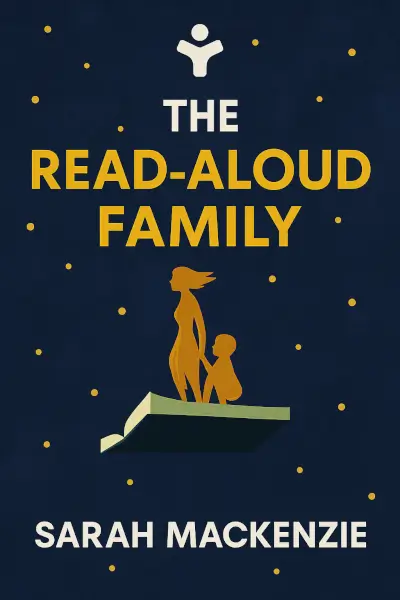
The Read-Aloud Family: Making Meaningful and Lasting Connections with Your Kids
Ready to Take Action?
Get the Mentorist app and turn insights like these into daily habits.