The friend she talked about every night for a week had a detail she never once mentioned
When Toni read Esther Forbes's Johnny Tremain aloud to her young daughter Rebekah, she had no way of knowing she was setting up something that would matter weeks later, at a completely unrelated summer camp. Rebekah fell hard for Johnny, the fourteen-year-old apprentice silversmith who keeps his loyalty and courage even after his hand is disfigured and disabled.
The next summer, Rebekah came home every night from Vacation Bible School talking about her new best friend, Billy: how funny he was, how sharp at Bible memory, how cool his T-shirt looked, how he'd won Camper of the Day. Toni heard all of this for days without meeting the boy. When she finally did, on the last day, Billy made his way over leaning heavily on a walker. It was only then that Toni realized her daughter's new best friend had cerebral palsy, a detail Rebekah had never once thought to mention.
Asked about it later, Rebekah credited Johnny Tremain. Living inside his disfigurement, even for a few chapters, had taught her something most of the other kids at VBS clearly hadn't learned: that a friend's body isn't the first thing worth noticing.
This is the argument Sarah Mackenzie makes about story and empathy, that fiction does something a news report or a school lesson can't, because it puts us inside a single, specific life rather than a summary of many. Researcher Keith Oatley at the University of Toronto helped show that reading fiction increases real-world empathy, and researchers at Carnegie Mellon found that reading a story activates brain networks similar to actually living through the experience. Rudine Sims Bishop's framework, which Mackenzie borrows, describes books as windows into unfamiliar worlds, mirrors that reflect our own experience back to us, and sliding glass doors we can walk through entirely.
Empathy built this way doesn't always stay theoretical, either. After one family read Linda Sue Park's A Long Walk to Water, about a girl's daily trek for water in Sudan, a ten-year-old boy saved his allowance to help pay for a well. A book can't change the world on its own. But it can change a reader, and readers, it turns out, change the world.
Choose a book that places your child inside a life nothing like their own, a different body, culture, or era, the way one disfigured apprentice did for a young reader who later didn't even notice her best friend's walker. When the story ends, ask what surprised them about the character rather than quizzing them on plot. Watch quietly for moments when a character clearly shapes how your child treats someone in real life, and resist pointing it out, letting it stay theirs. And if a story moves your child toward wanting to help someone, find one small, concrete way to act on that feeling before it fades.
What You'll Achieve
The listener recognizes fiction as a genuine tool for building empathy rather than just entertainment, and starts choosing books deliberately for the lives they let a child step into. Visibly, they notice and quietly encourage moments when a child's kindness toward someone different traces back to a book, instead of dismissing it as coincidence.
Choose books that place your child inside another life
*Choose a life unlike your child's own*
Pick a book that places your child inside a different ability, culture, or era, the way one disfigured apprentice did for a young reader.
*Ask what surprised them*
After finishing, ask what caught your child off guard about the character rather than quizzing them on plot details.
*Watch quietly for the carryover*
When you notice your child treating someone kindly because of a character they met, let it stay theirs rather than pointing it out.
*Give the feeling somewhere to go*
If a story moves your child to want to help someone, find a small, concrete way to act on it, the way one boy funded a well after reading about a girl's long walk for water.
Reflection Questions
- Which of your child's current friendships or kindnesses might trace back to a story you've shared together?
- What kind of life is completely outside what your child has experienced, and which book might let them live inside it for an afternoon?
- When a story moves your child, do you give that feeling somewhere real to go?
Personalization Tips
- A ten-year-old who read about a Sudanese girl's daily walk for water might start noticing and caring about water waste at home.
- A teenager who has spent a novel inside a refugee's arrival in a new country might sit differently with a new student who doesn't yet speak the language well.
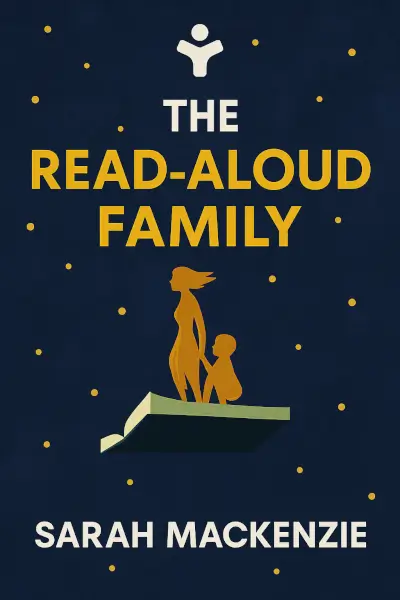
The Read-Aloud Family: Making Meaningful and Lasting Connections with Your Kids
Ready to Take Action?
Get the Mentorist app and turn insights like these into daily habits.