What a four-year-old did to the tea roses after hearing about George Washington
Drew was four the first time he heard about George Washington and the cherry tree, the legend of a boy who took a hatchet to his father's prized tree, then confessed rather than lie about it, and was rewarded for his honesty instead of punished. Sarah Mackenzie read it to him one summer morning, and he listened with the fierce, wriggling attention four-year-olds reserve for stories with hatchets in them, then ran outside to play.
That afternoon, scrubbing dishes at the kitchen sink, she looked out the window to see Drew swinging a large stick at her yellow tea roses with total abandon. When she flew outside demanding an explanation, he dropped the stick, turned glittering eyes toward her, and grinned. Ask me if I did it! She sank onto the step. Did you beat down my tea roses? He puffed out his chest. I cannot tell a lie!
It's a funny story, but it points to something Sarah Mackenzie treats as one of the most important things a story can do: give a child practice living through a moment before it costs anything real. We can't stand beside our kids through every hard choice they'll face once they leave home, and we don't actually want to, we want them capable of making the right call alone. But a child who has walked through danger with the Igiby children, hopped a train with Bud in Bud, Not Buddy, or watched Edmund choose the White Witch in The Lion, the Witch and the Wardrobe has already rehearsed courage, honesty, and their opposites, safely, from the inside.
It doesn't even matter that the cherry tree story isn't true, one of Washington's biographers invented it decades after his death. What Drew absorbed wasn't a fact about a president. It was a feeling: that honesty, even when it costs you something, is worth more than getting away with it. As Andrew Peterson, author of the Wingfeather Saga, put it, if you want a child to know the truth, tell him the truth; if you want a child to love the truth, tell him a story.
Choose books with real moral stakes rather than a tidy imposed lesson, letting characters face genuine temptation the way Bud faces the choice to run or stay. Once you finish a chapter, hold back the explanation and let the tension do its own persuading instead of summing it up for your child. Ask a question tied to the character's exact dilemma, like what they'd do locked in that shed overnight, rather than lecturing about honesty in the abstract. And don't worry if the story turns out to be more legend than fact, the way the cherry tree tale is, since the feeling it stirs matters more than whether it actually happened.
What You'll Achieve
The listener shifts from trying to teach virtue through direct instruction to trusting narrative rehearsal, and begins choosing books partly for the moral weight of their dilemmas. Visibly, they stop delivering after-story morals and instead let a story's tension do the teaching, using follow-up questions instead of lectures.
Let stories rehearse courage before life demands it
*Pick books with real moral stakes*
Choose stories where characters face genuine temptation or danger, rather than stories built around a tidy, imposed lesson.
*Let the story make the case*
Resist explaining the moral out loud once you finish a chapter; give the tension time to do its own persuading.
*Ask a hypothetical instead of lecturing*
Pose a question tied to the character's exact dilemma, such as what your child would do locked in a shed overnight, instead of delivering a lesson about honesty.
*Don't worry about literal truth*
A legend can still teach something real even if it never happened, because the feeling it stirs matters more than the historical record.
Reflection Questions
- Can you recall a story that shaped how you behaved in a real moment of temptation, more than any lecture did?
- What virtue would you like your child to rehearse, and which story might let them live through it safely?
- Are you tempted to explain a story's lesson out loud right after finishing it, and what might happen if you didn't?
Personalization Tips
- A parent might notice their child re-enacting a brave stand from a book during a playground conflict, using the character's exact words instead of an argument.
- A teenager who has read about a character choosing honesty under pressure might recall that scene, rather than a lecture, the next time they're tempted to cover up a mistake.
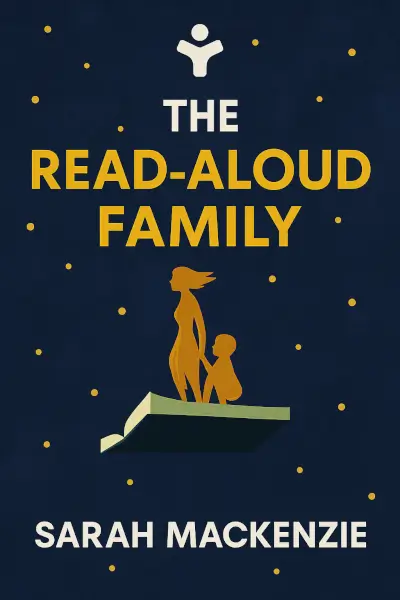
The Read-Aloud Family: Making Meaningful and Lasting Connections with Your Kids
Ready to Take Action?
Get the Mentorist app and turn insights like these into daily habits.