Beyond Pills: Combining Medication With Multiple Therapy Approaches Unlocks Better Results
When the Whitaker family first started treating their son Daniel’s ADHD, they relied solely on prescription medication. Early gains were promising, but months later, Daniel’s grades stalled and daily tantrums continued. At their next review, the care team suggested a shift: add behavior therapy and enroll Daniel in a music class designed for neurodivergent kids. At first, the family was skeptical. Why combine so many things? Wouldn’t pills alone be enough?
Daniel’s teacher noticed small but steady changes within a month. Classroom disruptions dropped, and Daniel talked more about school and less about being picked on. His music teacher, too, reported that Daniel’s sense of pace and teamwork grew stronger—he could stay on beat longer and transitioned more smoothly between instruments.
This multi-modal approach isn’t an accident. Decades of findings in clinical psychology show that combining biological and behavioral strategies creates synergistic effects. Medication helps regulate neurochemistry, making it possible for children to sit still long enough to participate in therapy or creative classes. Meanwhile, structured therapeutic approaches build real-life skills that pills alone can’t teach. The creative therapies, from art to horse work, hook into parts of the brain untouched by traditional schooling. Put together, these support Daniel’s sense of self, his family’s hope, and their shared results.
Set up a multidisciplinary plan with your doctor and therapist that includes both the right medication and at least one skills-based therapy. At home, keep the lines open for creative approaches that suit your child—something as simple as daily drawing or playing an instrument can reinforce what’s learned in therapy or school. Remember to check in every few weeks, see what’s improving (and what isn’t), and make changes as needed so your child keeps advancing.
What You'll Achieve
Experience greater symptom relief, improved behavioral control, stronger family relationships, and much richer emotional and social development.
Integrate Stimulants, Behavioral Tools, and Creative Therapies
Work with your doctor to find medication tailored to your child’s needs.
Discuss whether stimulant or non-stimulant medication is appropriate, monitor for side effects, and adjust as necessary.
Add evidence-based therapies like CBT or behavior modification.
Pair medication with structured therapy that builds skills for impulse control, organization, and emotional resilience.
Explore creative modalities suited to your child’s preferences.
Consider adjunctive options like art, music, or equine therapy—these support self-expression, social skills, and attention in non-traditional ways.
Monitor progress and reassess regularly.
Hold regular check-ins with your care and education team to see what’s working, adjust plans, and set new goals.
Reflection Questions
- Are we relying too much or too little on any single treatment?
- What alternative therapies sound appealing and could add value?
- How can we check in regularly on progress—what benchmarks matter most?
- Is the care plan evolving as my child grows and changes?
Personalization Tips
- A parent of a musical child incorporates drumming practice before homework to increase focus and calm.
- A therapist encourages a reluctant reader with ADHD to keep a visual art journal to express feelings when words don’t come easily.
- An older teen uses both stimulant medication and neurofeedback with regular mindfulness sessions to manage both attention and emotional ups and downs.
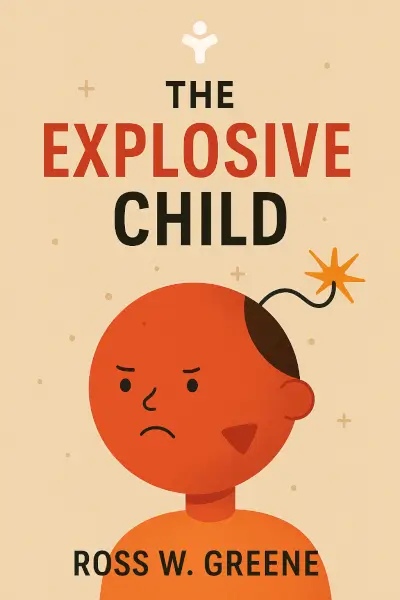
The Explosive Child: A New Approach For Understanding And Parenting Easily Frustrated, Chronically Inflexible Children
Ready to Take Action?
Get the Mentorist app and turn insights like these into daily habits.