Advanced Emotional Regulation: Reflection and Pause Techniques for Explosive Moments
The slam of a door reverberates down the hall. In the aftermath, both Alex and his mother are flushed—frustration, embarrassment, and hurt hanging in the air. Alex, red-eyed, curls up on his beanbag in the designated quiet corner. His mother leans against the kitchen counter, palms on the cool surface, breathing in—the coffee on the counter has long gone cold.
Later that evening, as the tension fades, they sit together. 'What were you feeling when you yelled?' she asks gently. Alex shrugs. They break it down: the video game shut off, the urge to scream, fists clenching. They rewind that moment piece by piece. His mother admits her own struggle: “I needed a break too, but I forgot to pause.” They practice—what can Alex do next time? Maybe walk to his corner, count to ten, or squeeze his stress ball. Maybe even say he needs space, before the shouting starts. They’ll try again tomorrow.
This reflective process is anchored in cognitive-behavioral and mindfulness-based therapy. Neuroscience shows that post-conflict reflection builds pathways for self-control and emotional awareness. Over time, this habit of review and pre-planning strengthens the brain’s response to emotional triggers, paving the way for more adaptive reactions in the future.
After any argument or blow-up, sit down together and calmly walk through what happened. Ask about feelings and what was hardest—without blame. Identify what set things off, and brainstorm together different reactions for next time. When frustration rises, model ways to pause, like stepping out or using a calming phrase. Practicing these strategies together turns everyday conflict into the starting place for long-term resilience and self-regulation.
What You'll Achieve
Increase family emotional intelligence, lower the frequency and intensity of meltdowns, and strengthen your child’s ability to self-reflect and pre-emptively manage triggers.
Coach Emotional Reflection Before and After Meltdowns
After conflicts, help your child recall what happened and their feelings.
Guide your child through a calm, non-judgmental review (e.g., 'What did you feel when that happened? What part was hardest?').
Identify the trigger and explore alternative reactions.
Ask what set off the strong response, and talk through different, more positive ways to handle similar situations next time.
Model taking breaks during rising frustration.
Demonstrate how to pause and regroup when things get heated, using techniques like deep breathing, changing rooms, or counting to ten.
Practice proactive strategies together.
Plan and rehearse what to do next time a similar scenario comes up, supporting your child’s ability to pause and problem-solve before acting.
Reflection Questions
- Do I pause and reflect after conflicts, or just move on?
- How can I make it emotionally safe to talk about hard feelings at home?
- What triggers can I spot, and how can my child practice pausing before reacting?
- How can I model self-regulation for my child?
Personalization Tips
- A teacher leads a class reflection circle after recess arguments, guiding students to describe their feelings and consider better choices.
- A parent practices 'pause and talk' after a meltdown, discussing what happened and brainstorming better responses for next time.
- Siblings are encouraged to take a “cool-off minute” instead of yelling—then reflect with their parent on what worked.
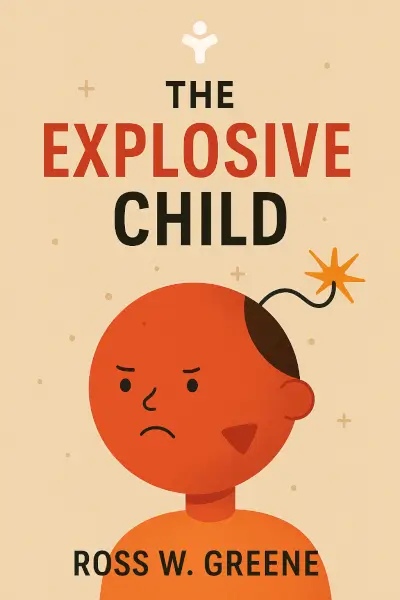
The Explosive Child: A New Approach For Understanding And Parenting Easily Frustrated, Chronically Inflexible Children
Ready to Take Action?
Get the Mentorist app and turn insights like these into daily habits.