Master Hostage Negotiator Skills to Defuse Family Blowups Fast
When home fights reach a fever pitch, ordinary advice often fails. Drawing inspiration from FBI hostage negotiators, author Jancee Dunn chronicles how she and her husband learned to manage emotional standoffs using surprisingly simple tactics. After a particularly chaotic mix-up with their daughter's pickup, Tom returns to a frazzled spouse, only to see her make the classic 'timeout' sign and storm away. Instead of bracing for an explosion, he tries out his new script straight from FBI protocols: he quietly sits down, listens, and repeats back what he hears with new calm.
'You think I’m unreliable,' he says. 'You don’t like feeling panicked when you’re at work.' Dunn’s anger, though still simmering, starts to shift. The conversation unfolds with pauses, mirroring, and open-ended questions until both partners find practical fixes—reminders, clearer plans. Even when Tom is awkward and sounds like he’s reading off a cue card, the crisis passes faster, and both spouses are less wrecked afterward. Dunn’s reflection: you can’t fake real caring forever, but even clumsy listening works better than old patterns of blame and retreat.
Behavioral science backs her up: the 'active listening' skills from hostage negotiation produce rapid emotional cooling by engaging the rational brain over the reactive 'fight or flight' response. Repetition, validation, and curiosity disarm anger and make way for real solutions, even in homes where past attempts at calm have failed.
When you feel an argument about to spin out of control, take a breath and channel your inner negotiator: paraphrase what your partner says, call out the emotion you hear, and nod along or say, 'I understand' in a gentle voice. Keep asking open-ended questions, stay silent at key moments, and wait for the emotional storm to settle before you jump in with fixes. Even if this feels awkward as heck at first, the shift from defense to curiosity can quickly lower the temperature and make room for change. Give it a shot on your next tough day—it’s one skill you’ll wish you’d practiced sooner.
What You'll Achieve
Quiet explosive arguments and develop empathy. Real-world outcomes include less fighting, more productive conversations, and a feeling of being heard and respected by your loved ones.
Apply FBI Behavioral Change Tactics at Home
Practice active listening with paraphrasing and emotion labeling.
When your partner is upset, repeat back what you hear and label their feelings: 'You sound angry that I forgot.'
Use minimal encouragers and open-ended questions.
Signal you’re listening (say 'okay,' 'I see,' and gently prompt, 'Tell me more about that'). Avoid interruptions or taking over the conversation.
Pause intentionally and mirror their key concerns.
Hold space for their thoughts, and reflect their main worry in your own words before proposing solutions.
Reflection Questions
- When did I last really listen during a heated moment?
- Which step in the negotiation model feels hardest for me?
- How can I remind myself to pause and label emotions before reacting?
Personalization Tips
- A partner navigates a heated discussion by saying, 'You seem frustrated about bedtime—tell me more,' instead of defensively explaining.
- A teacher calms a parent meeting by repeating, 'It sounds like you’re worried about your child’s progress,' so the parent feels truly heard.
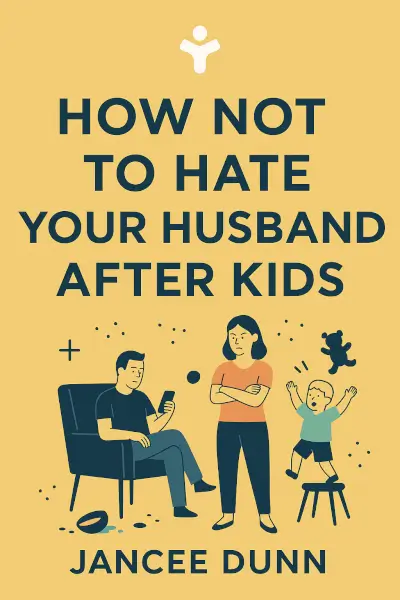
How Not to Hate Your Husband After Kids
Ready to Take Action?
Get the Mentorist app and turn insights like these into daily habits.