Why it feels safer to believe you were the bad one
Sandy was twenty-eight, striking, seemingly successful as a floral designer with dreams of opening her own shop, when she came to Susan Forward deeply depressed. She had been trying to get pregnant for two years without success, and a recent lunch with her mother had made everything worse. Her mother had said, "I'll bet it's that abortion you had. The Lord works in mysterious ways."
The abortion had happened when Sandy was fifteen. Raised strictly Catholic, she had developed early, drawn attention from boys, and her father had responded by calling her a whore loudly enough for the neighborhood to hear. When she got pregnant and asked for an abortion, her parents screamed about mortal sin for weeks; she finally got their consent only by threatening to kill herself. Afterward, she said, she felt like she didn't even have a right to exist. She spent the following years doing anything her parents wanted, trying to earn back a love she felt she had forfeited.
Susan Forward didn't try to talk Sandy out of loving her parents. Instead she asked her to imagine her own child, a hypothetical sixteen-year-old daughter, in exactly the situation Sandy had been in at that age. Would Sandy treat her the way her parents had treated her?
"Not in a million years," Sandy said, and then heard what she had just admitted.
This is what Forward calls the deification of parents, and she argues it isn't a personality quirk, it's built into how children survive. A small child depends entirely on parents to live, so believing they are perfect feels like the only safe thing to believe. Out of that dependence grow two beliefs that can outlast childhood by decades: I am bad and my parents are good, and I am weak and my parents are strong. Believing your parents were wrong feels more dangerous than believing you deserved what happened, so the mind quietly chooses the second option and calls it loyalty, or love, or faith.
The way out isn't to stop loving your parents. It's to test the belief the way Forward asked Sandy to test hers, picturing someone you love standing in the position you were once in, and asking honestly whether you would treat them the way you were treated. The answer usually arrives faster than expected, and it rarely says what the old belief has been insisting all along.
Try the mirror test the next time an old excuse for your parents comes up: picture someone you love standing exactly where you once stood, facing exactly what you faced, and ask yourself plainly whether you'd treat them that way. Practice holding two sentences together instead of one, saying out loud that you can still love your parents and still call what they did wrong, until it stops feeling like a betrayal to say both. Notice the specific excuses you reach for, phrases like they meant well or I probably deserved it, and underneath each one write down what actually happened, in plain words. Over time you'll start to hear which belief you lean on most, that you were bad or that you were weak, and that's the one worth questioning first.
What You'll Achieve
Internally, you'll loosen the belief that your parents' perfection was ever required for your safety, and you'll be able to hold love and honest judgment for them at the same time. Externally, you'll stop automatically excusing behavior you'd never accept toward someone else you love, and you'll start noticing when old rationalizations resurface.
Test the belief your childhood taught you
Run the mirror test
Picture someone you love standing exactly where you stood as a child, facing exactly what you faced, and ask honestly how you'd treat them.
Separate love from judgment
Practice saying "I still love them, and what they did was wrong" as one sentence, out loud, until it stops feeling like a contradiction.
Catch yourself rationalizing
Watch for phrases like "they meant well" or "I probably deserved it," and write down what actually happened underneath the excuse.
Name which belief runs deepest
Identify whether you lean toward "I am bad" or "I am weak" so you know which one to challenge first.
Reflection Questions
- Who in your life would you never treat the way you were treated, and what does that tell you?
- Which belief do you lean on more, that you were bad, or that you were weak?
- What would it cost you, right now, to say your parents were wrong about something?
- Can you hold both love and judgment for the same person in one sentence?
Personalization Tips
- A man defends his mother's constant put-downs by saying she "just wanted the best for him," while insisting he'd never speak that way to his own daughter.
- A woman stays fully in her parents' religion but stops assuming their cruelty toward her was righteous.
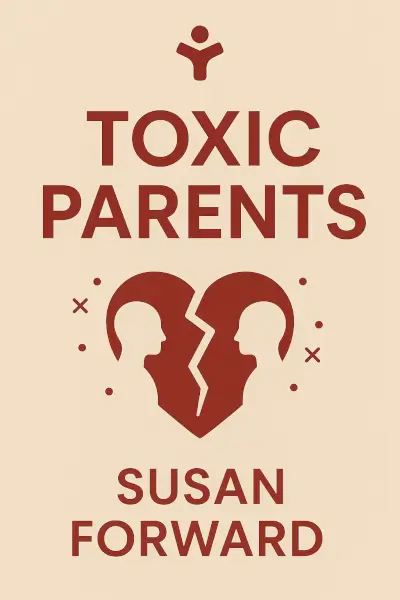
Toxic Parents: Overcoming Their Hurtful Legacy and Reclaiming Your Life
Ready to Take Action?
Get the Mentorist app and turn insights like these into daily habits.