The Myth of the Unconditional Mother: How to Reparent Yourself for Belonging and Growth
As you close your eyes and remember being seven, you see yourself wandering the backyard, clenching your jaw after being told to 'stop crying or go to your room.' That old hollow ache in the pit of your stomach returns, alongside the sense that something about you is fundamentally wrong.
But this time, you do something different. You put a hand over your heart, feeling the rise and fall of your breath. You whisper a phrase you wish someone had said back then: 'You are whole, complete, and human. I am not the fixed state you believe I am.' There's a warmth that grows, maybe subtle, maybe small, but real. In your mind's eye, your younger self looks up—not with skepticism, but with cautious hope.
You keep returning to this phrase on tough days, anchoring it with a hand on your heart or a gentle exhale. Each repetition plants the seed of belonging—your belonging—not to an unattainable mother, but to the parts of yourself you’re finally willing to meet as they are. Neuroscience shows that repetition and compassionate self-talk, especially when paired with physical self-soothing, begin to rewire the brain’s response to old triggers, gently shifting even the deepest patterns of shame.
Each day, when reminded of old hurts or feelings of inadequacy, pause and repeat a healing mantra to yourself. Whether it’s quietly spoken while you breathe deeply with your hand on your chest or written into your journal at night, let these words be your new song of support. Visualize offering them not only to your adult self but to the younger you who never heard them growing up. Each time you do, you nurture a soft but steady sense of belonging that doesn’t depend on external approval but rises from your own compassion. Make a habit of this, especially when stress or criticism visits you.
What You'll Achieve
Develop a nurturing, resilient relationship with your own emotions and needs by reparenting yourself, leading to decreased shame, stronger boundaries, and increased self-trust.
Write and Repeat Healing Mantras for Your Inner Child
Recall a childhood moment of pain or dismissal.
Let yourself briefly remember a time when you were ignored, ridiculed, or made to feel less-than for a need or feeling.
Write a supportive mantra or affirmation.
Using the provided examples or your own words, create a statement like 'I will not feel guilty for who I am or what I need.'
Repeat your mantra regularly.
Say this mantra to yourself at least once a day, especially when old feelings of worthlessness, guilt, or anxiety arise.
Anchor the mantra with gentle self-soothing.
While reciting, place a hand on your chest, slow your breathing, or do something physically comforting.
Reflection Questions
- How do you usually respond to yourself when you feel pain or self-doubt?
- What words or phrases did you long to hear as a child?
- How does your body react when you say kind things to yourself?
Personalization Tips
- Before a stressful family event, repeat, 'My emotions are valid. My boundaries matter.'
- After criticism at work, say, 'My worth isn’t defined by anyone else’s approval.'
- While journaling, use, 'It’s okay to have needs and to ask for support.'
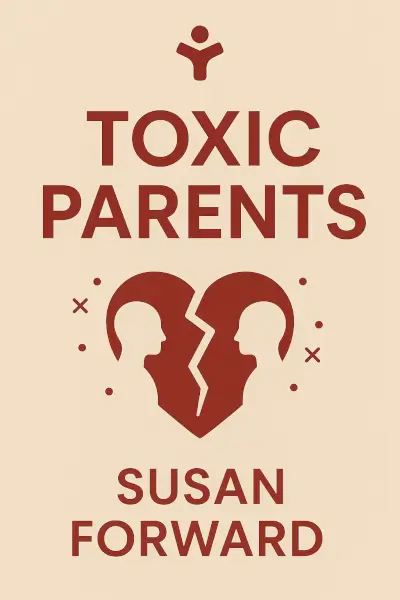
Toxic Parents: Overcoming Their Hurtful Legacy and Reclaiming Your Life
Ready to Take Action?
Get the Mentorist app and turn insights like these into daily habits.