Paradoxes Make Home Happiness Much Richer (and Harder) Than One-Size-Fits-All Tips
Modern happiness advice is full of neat rules—declutter your closet, meditate daily, bake bread, or do less to be more. Yet, behind the scenes, happiness at home is full of paradoxes. You might want your home to be a refuge from the world (quiet, stable, yours) but also a springboard to adventure (inviting, stimulating, shared). Or you crave routines for security but also feel restless if life gets too predictable.
Psychologists describe 'paradox tolerance'—the willingness to hold apparently conflicting goals without forcing a premature choice—as a crucial element of well-being and creativity. Research in positive psychology and even business leadership shows that people and companies who navigate paradoxes (such as striving for both excellence and learning from mistakes) adapt better and feel more fulfilled. Home life is no different.
A parent may wish for loving togetherness and for personal space, both at once; spouses may want both calm and the chance to grow or explore. Trying to neatly resolve these tensions often backfires; instead, happiness grows when you find ways to accommodate both sides, even if imperfectly. You might, for example, alternate busy weekends with quiet evenings, or tailor rooms for different moods.
Embracing paradox means giving yourself permission to want more than 'balance'—it means understanding your desires are layered, and allowing yourself to pursue seemingly opposite goals. The best homes, like the happiest people, usually defy one-size-fits-all advice.
Set aside a few minutes this evening to honestly record the ways your aspirations for home or personal life seem to contradict each other. Don’t rush to fix them—just notice and accept the contradictions. This week, try a small experiment in accommodating opposing wishes: maybe you carve out alone time after a family dinner, or use your weekend for both a quiet morning and a spontaneous outing. Notice how much richer and more content your days feel when you stop forcing yourself into overly tidy solutions.
What You'll Achieve
Internalize a greater comfort with ambiguity and complexity in life decisions, reducing guilt and frustration. Experience improved home harmony and increased adaptability as you stop fighting your own mixed desires.
Practice Embracing Contradictions
Write down your biggest home-related desires.
Record wishes for comfort versus excitement, solitude versus connection, adventure versus routine, and so on.
Acknowledge where your wants seem to conflict.
Instead of picking one, reflect on how both sides contribute to your sense of well-being.
Experiment with holding space for both.
Plan routines or spaces that serve both calm and energy, or both tradition and spontaneity, alternating as needed.
Reflection Questions
- Where have I felt pulled between opposing home or life priorities?
- How have I tried to resolve these tensions? Did it help?
- What would it look like to allow both impulses, even if imperfectly?
- How does paradox tolerance affect my creativity or sense of peace?
Personalization Tips
- Allocate part of your week to restful evenings and another part to social outings or hobbies.
- Redesign a room to have a cozy reading nook (quiet) and a large table for family games (engagement).
- Balance your urge to save money with occasional investments in experiences or meaningful possessions.
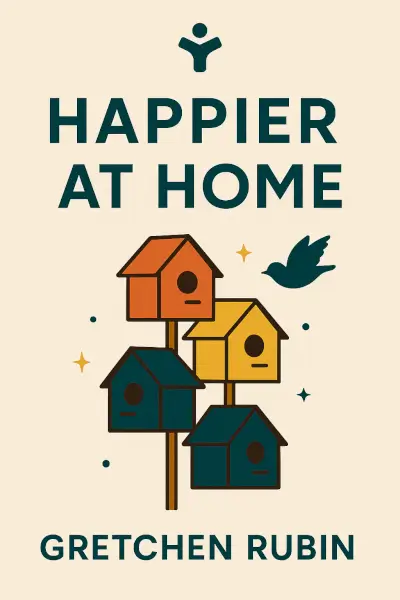
Happier at Home: Kiss More, Jump More, Abandon a Project, Read Samuel Johnson, and My Other Experiments in the Practice of Everyday Life
Ready to Take Action?
Get the Mentorist app and turn insights like these into daily habits.