Why the Pursuit of Perfect Simplicity Can Leave Life Feeling Empty
True simplicity is a seductive ideal—Instagram feeds overflow with spare interiors, minimalist wardrobes, and mythical tales of the perfectly uncluttered life. Yet, for many, chasing simplicity for its own sake can end up feeling sterile, even lonely. You might find yourself tossing out mementos and skipping celebrations because 'it’s just simpler,' only to feel a nagging emptiness where warmth and delight used to be.
Behavioral scientists warn against confusing the absence of clutter with presence of meaning. Take family traditions: cooking a complex holiday meal or organizing a board game night might seem like a hassle compared to pizza on paper plates, but these efforts create dense, happy memories. Studies on 'enriching complexity' show that while routines help, periodic deviation—messy projects, special rituals, well-loved collections—adds layers of satisfaction and belonging.
Einstein reportedly said, 'Everything should be made as simple as possible, but not simpler.' The phrase captures the heart of this paradox—simplicity must serve vitality, not be an end in itself. The real work is knowing what to prune and what to keep or add. Personal reflection and trial-and-error help clarify not just what burdens but also what enlivens.
For some, one plant and bare walls are heaven; for others, a riot of books and family photos. The happiest homes strike a rhythm between order and abundance: they have space, but they also have stories.
Over the next week, pay attention whenever you’re tempted to simplify your schedule, your home, or your plans. Before you cut, ask whether you’re clearing space for genuine peace or simply out of habit, fear, or fatigue. Balance by bringing in one small, meaningful tradition, object, or social engagement that feels a bit complicated but makes you smile—maybe it’s baking with your child, setting out photos for a holiday, or calling an old friend. See how this enriching complexity affects your mood. Don’t be afraid of a little mess if it brings life to your days.
What You'll Achieve
Develop discernment about when simplicity is helpful and when it becomes empty. Internally, experience more lasting satisfaction as your space and routines support both peace and rich engagement. Externally, maintain a home or lifestyle that feels alive and welcoming, not just 'in order.'
Balance Simplicity with Engagement
Reflect on your drive to simplify or add complexity.
Notice when you're eliminating items, tasks, or relationships out of habit or apathy, rather than thoughtful intention.
Identify sources of both clutter and meaning.
Ask not only what to remove, but also what to keep or add for joy, creativity, or comfort—even if it complicates your life.
Experiment with adding an 'enriching complexity.'
Try introducing a new family ritual, hobby, or treasured object, and observe whether it deepens your satisfaction, despite added work.
Reflection Questions
- Am I subtracting things for the sake of simplicity, or to avoid effort?
- What traditions, objects, or routines genuinely energize me even if they’re a bit messy?
- Have I ever regretted making my life 'too simple'?
- How do I feel when my home reflects not just absence of clutter, but presence of life?
Personalization Tips
- Instead of cutting all social events for a 'simpler calendar,' keep or create the ones that genuinely build connection.
- In creative work, focus less on decluttering tools and more on organizing those you love using—even if it means a full desk.
- Resist the urge to eliminate all traditions: select and invest in rituals that spark joy or belonging.
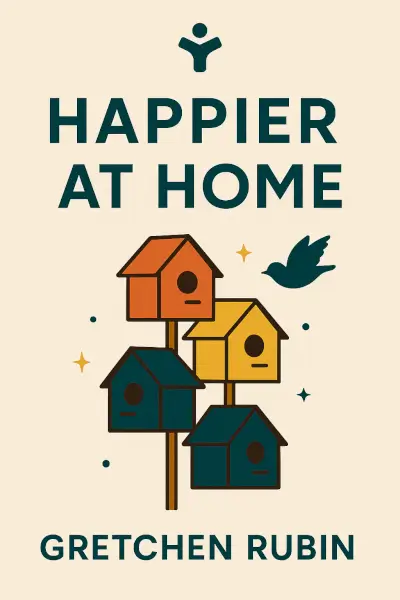
Happier at Home: Kiss More, Jump More, Abandon a Project, Read Samuel Johnson, and My Other Experiments in the Practice of Everyday Life
Ready to Take Action?
Get the Mentorist app and turn insights like these into daily habits.