Why Getting Rid of Clutter Isn’t Really About Owning Less
Clutter is more than an excess of things—it’s a sign of disengagement and missed opportunities for meaning. Picture walking through your home and finding a shelf crammed with old electronics, forgotten souvenirs, and paperwork you’ve never used. These objects sit silently, neither sparking joy nor serving a purpose. Yet in the corner is a battered family photo frame or a handmade gift that, each time you pause, brings a tiny smile or a wave of nostalgia.
Too often, we assume having less is always better, but the truth runs deeper. When we regularly use, appreciate, or respond emotionally to our possessions, they add vitality to our spaces—regardless of how many we own. Neglected items do the opposite: they eat up mental and physical space, creating background stress and guilt. Clearing them isn’t about counting what you remove, but about making room for attention and engagement.
Meaningful objects—grandma’s mug, your child’s first drawing—act like emotional focal points. Creating 'shrines,' where these items are grouped or spotlighted, makes home feel more alive and uniquely yours. Conversely, confronting the tangle of tech chargers or those kitchen gadgets you never figured out may require a quick look at the manual—or, if they’re not worth the effort, a trip to the donation bin.
Cognitive science shows we attach emotional value (the 'endowment effect') after acquisition, making it harder to let go. Yet, research also confirms that people feel more in control, less anxious, and even more energetic when they keep items that matter and release the rest. Shifting focus from quantity to engagement transforms not just your home, but your daily mood.
Picture yourself standing in your room with a clear goal: you’ll review each area, honestly asking which belongings you actually use or love. As you move shelf by shelf, you’ll part with objects that hold no meaning and arrange your favorite keepsakes or photographs where you see them every day, creating tiny 'shrines' of positive feeling. When you stumble on gadgets you barely use or understand, grab their manual and learn something new, or decide they’re not worth more of your time. This isn't a mindless purge—it's about deepening your relationship with what surrounds you and giving yourself space to breathe and enjoy home again. Start with one shelf today and notice the change.
What You'll Achieve
Internally, experience greater calm, control, and contentment by surrounding yourself only with possessions that serve you emotionally or practically. Externally, enjoy a home or workspace that is easier to maintain, functions more smoothly, and reflects your authentic self.
Change How You Engage with Your Stuff
Sort possessions by use and meaning.
Go shelf by shelf or drawer by drawer, reviewing whether you use each item or feel emotionally connected to it. Don’t worry about how many things you have—focus on how you engage with them.
Remove meaningless or unused items.
If an item never gets used or doesn’t spark positive emotion, consider donating or discarding it. This frees up space and reduces the psychological weight of unengaged belongings.
Spotlight meaningful possessions.
Arrange cherished objects, photos, or memorabilia in visible, intentional spots (shrines) where you’ll appreciate them, instead of hiding them or leaving them in clutter.
Address neglected or confusing items.
Read the manual or learn how to operate devices and tools you own but don’t use confidently. This increases your engagement and control with what you keep.
Reflection Questions
- What items do I own that lift my mood or bring a sense of connection?
- Where am I keeping things out of guilt or habit rather than joy or use?
- How does clutter impact my everyday motivation or stress levels?
- What would my ideal 'shrine' of meaningful objects look like?
Personalization Tips
- At work, clear your desk of paperwork you never reference and keep favorite photos where you’ll see them each day.
- In parenting, put cherished children’s artwork or family keepsakes on display rather than in storage.
- For creative hobbies, sort supplies by what you genuinely use, donate extras, and organize favorite tools in a visible 'shrine' space.
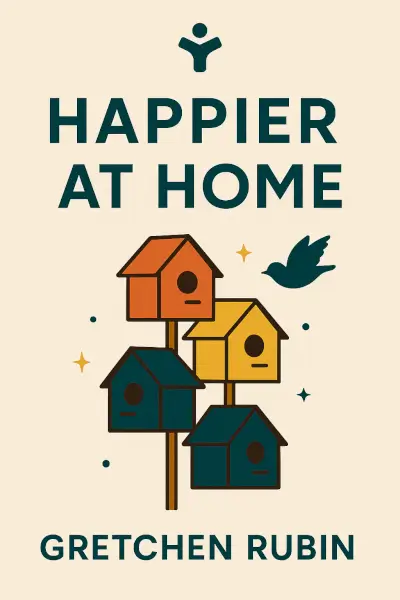
Happier at Home: Kiss More, Jump More, Abandon a Project, Read Samuel Johnson, and My Other Experiments in the Practice of Everyday Life
Ready to Take Action?
Get the Mentorist app and turn insights like these into daily habits.