Redefine Discipline—From Punishment to Lifelong Skill-Building
Contemporary developmental science shows that discipline focused on external punishments (timeouts, taking away privileges) may create short-term compliance, but rarely teaches the underlying self-regulation, empathy, or accountability essential for adulthood. In contrast, 'discipline-as-teaching' is rooted in centuries-old educational theory and is powerfully validated by modern research on brain plasticity and moral development.
Take the example of a child who lies about homework. Instead of grounding them or instituting blanket bans, the parent sits down and calmly asks, 'What made it hard to tell the truth?' They explore the difficult feelings together, discuss the impact on trust, and practice ways to ask for help earlier in the future. The process takes 20 minutes but pays dividends for years. The child learns not only about honesty but also problem-solving, communication, and that mistakes are fixable.
Skill-building discipline means discomfort sometimes (for child and adult), but it builds up the 'muscles' of reflection, responsibility, and empathy. You’re not simply correcting one misstep, but investing in habits of mind that will serve your child—and everyone they touch—all their life.
As classic research from Piaget to recent neuroimaging studies confirms, lasting learning happens most when emotional security meets developmental challenge. The goal? A child who not only follows the rules today, but knows how to live by values tomorrow.
Next time behavior pushes your buttons, ask yourself what skill your child needs in this moment—the ability to wait, to share, to handle disappointment? Wait for calm, then invite your child to brainstorm solutions alongside you, try out role-plays, and work together on ways to repair any hurt caused. Frame these conversations as learning for both of you, and repeat the practice whenever discipline moments arise. The skills you model and build together today become the foundation for lifelong character.
What You'll Achieve
Move your focus from instilling fear or obedience to nurturing lasting self-regulation, empathy, and social problem-solving. Create stronger, wiser, more adaptable family relationships.
Use Discipline Moments to Build Lasting Skills
Shift your definition of discipline to 'teaching and skill-building.'
When a misbehavior happens, reframe it—ask yourself, 'What skill does my child need to develop here?'
Guide collaborative problem-solving after calm is restored.
Invite your child to reflect on what happened, explore the impact on others, and brainstorm alternative actions. 'What could we try next time that would work better for everyone?'
Coach your child to repair and integrate learning.
Help your child see how their choices affect the relationship and others’ feelings. Practice apologies, restitution, or making amends together.
Reflection Questions
- How did my own discipline experiences influence my beliefs?
- Which skills do I want my child to have in adulthood?
- How can I make discipline more about learning and less about losing privileges?
- What helps me stay patient when results aren’t immediate?
- Where can collaborative repair be incorporated more often in our routines?
Personalization Tips
- A classroom teacher turns recess conflicts into opportunities for practicing negotiation and empathy.
- A teen who forgets chores joins a parent in setting realistic routines and writing reminder notes.
- A basketball coach uses fouls as moments to discuss self-control, not just enforce penalties.
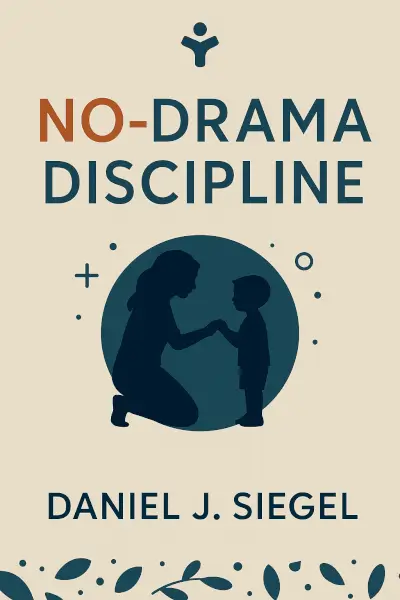
No-Drama Discipline: The Whole-Brain Way to Calm the Chaos and Nurture Your Child's Developing Mind
Ready to Take Action?
Get the Mentorist app and turn insights like these into daily habits.