Why Too Much Self-Control Can Backfire: The Paradox of Conscientiousness
We’re often told that more self-control is always a good thing, but the truth is more complicated. While research links conscientiousness — the tendency to be organized, disciplined, and reliable — to better grades, healthier habits, and lower risk behaviors, too much can trap us in rigidity. People who never allow themselves a break, who obsess over order or delay joy indefinitely, can become anxious, compulsive, and reluctant to try anything risky or new.
Classic psychological studies show that while some self-control is crucial for long-term success, there’s a point where it starts limiting creativity, independence, and well-being. Highly conscientious students are often rewarded with praise and high GPAs, but as they move into adulthood, they may struggle with big transitions, decision-making, or unconventional paths. In workplaces, excessive rule-followers can be reliable, but may miss chances for innovation or collaboration.
The secret is balance: using discipline to reach your goals, but not becoming its prisoner. Building in flexibility — space for reflection, for play, and for the occasional mistake — keeps conscientiousness a tool, not a trap. Regularly pausing to check if your habits are serving you, or just running your life, makes all the difference.
Keep an eye out for moments when your great discipline becomes inflexibility — maybe you’re skipping opportunities to connect, or feeling strangled by your routines. Schedule in time each week to break up the plan: take a walk without a destination, try a new recipe on a whim, or simply leave space for unstructured conversation. Afterward, reflect honestly — did more freedom help or hinder? Recognizing both the gains and pitfalls of self-control lets you steer toward a life that’s both reliable and rewarding.
What You'll Achieve
Develop a conscious, sustainable relationship with personal discipline; maintain high performance without burnout; improve spontaneity and creativity while retaining the benefits of strong self-control.
Balance Discipline with Flexibility
Monitor for Signs of Overcontrol.
Ask yourself: Are you rigidly sticking to habits at the expense of creativity or joy?
Build Scheduled Flex Breaks.
Create space each week (even ten minutes) to do something unplanned or playful. Notice how it feels.
Reflect on When Conscientiousness Has Hurt or Helped.
Write down one recent gain from self-control and one time it limited you.
Reflection Questions
- Where am I most rigid — and does it help or hurt?
- When did I last break my routine for something fun or new?
- What does 'enough' self-control look like for me?
- Are there habits I’ve outgrown but still keep out of fear?
Personalization Tips
- A student realizes her perfectionism is stopping her from starting any new projects for fear of making mistakes.
- An office worker recognizes their rigid schedule leaves no room for creative problem-solving during crises.
- A parent admits their strict bedtime routine is causing nightly arguments and tries relaxing it once a week.
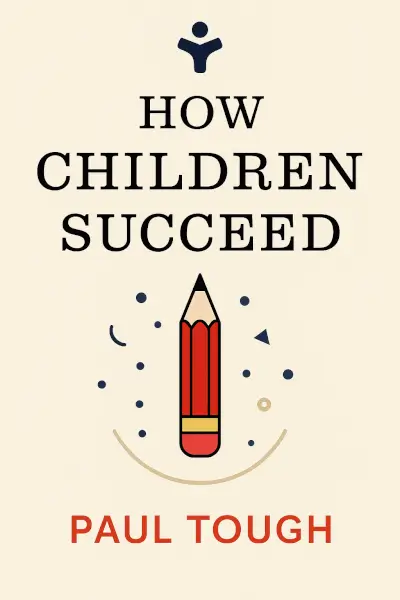
How Children Succeed: Grit, Curiosity, and the Hidden Power of Character
Ready to Take Action?
Get the Mentorist app and turn insights like these into daily habits.