Cultural Stereotypes and History Suppress Girls’ Voices—Here's How To Push Back
From Tolstoy’s novels to high school textbooks, the stories and images that define achievement and history are overwhelmingly male. Adolescent girls learning about the world through these lenses may begin to sense, often without being able to name it, that their voices and experiences are undervalued or erased. The content you’ve read brings up specific examples—mountains named for men, classical works focused on male lives, and women depicted in media as little more than accessories, objects of desire, or comic relief.
Media theory and feminist scholarship call this ‘symbolic annihilation’—not just the absence of representation, but the erasure that makes it harder for girls to imagine big futures. As girls adapt to these messages, their ambitions shrink, and they may internalize limitations as natural or blame themselves for not fitting the mold.
Change begins with awareness. When girls, parents, and educators name whose stories are missing and create space for women’s real voices, girls can challenge passive self-doubt. Bringing new narratives into the spotlight isn’t just for March or a special project; it creates tidal shifts in how girls see what’s possible.
This week, look at your textbooks, entertainment, and even the conversations you overhear for signs of who is center-stage and who is invisible. Write down what you notice, then bring just one example to a group or adult who is open to honest talk. Discuss why it matters, especially if it feels small at first. Finally, choose a way to share or celebrate a woman's story—maybe by suggesting a book to your friends or bringing a new fact to dinner. Little by little, shining a light on hidden voices changes what girls—maybe even you—see as possible. Give it a try and see what comes up.
What You'll Achieve
Grow critical thinking, reduce internalized barriers, boost self-advocacy, and increase girls' sense of historical belonging and voice by recognizing and proactively challenging cultural stereotypes.
Name And Challenge Hidden Messages In Media Or School
Scan textbooks, media, or daily conversations for missing or misrepresented female stories.
Make a list this week of ‘who gets named’—authors studied, historical photos, protagonists, leaders; notice whose voices are absent.
Bring one example to a trusted adult or group for discussion.
Ask: Why does this matter? How does it affect how girls see themselves? What information or perspective is missing?
Seek out and amplify stories, art, or achievements by women.
Share a book, podcast, or fact about an overlooked woman with your class, friends, or family, and talk about its impact.
Reflection Questions
- Where do you see women’s achievements ignored or minimized?
- How does underrepresentation affect your own goals or confidence?
- Who are your female role models—where did you find them?
- What small step can you take to amplify women's stories this month?
Personalization Tips
- A girl questions why her history class covers only male generals and brings this up in a group discussion.
- A parent recommends media that features female scientists or leaders for family movie night.
- A teacher highlights women’s contributions during Women’s History Month and encourages students to research local female trailblazers.
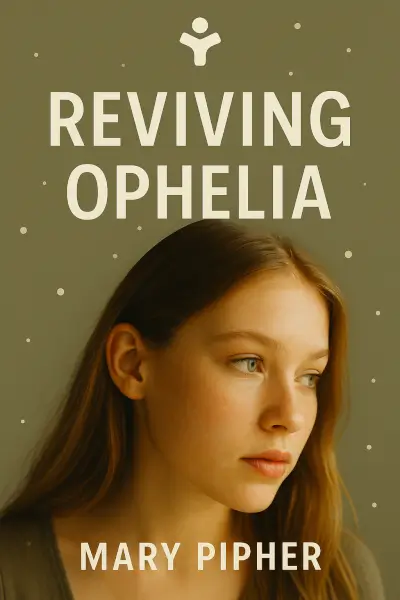
Reviving Ophelia: Saving the Selves of Adolescent Girls
Ready to Take Action?
Get the Mentorist app and turn insights like these into daily habits.