Transform Tough Lessons Into Lasting Change with Stories, Not Lectures
What do you do when reasoning, warnings, or rules keep falling flat? In many cultures, parents skip the lecture and reach for a story instead. When a child stalls at bedtime, a quick fable about the 'Jimmy-Jammy Monster' lurking outside the covers gets the message across better than another plea for quiet. If a dreaded vegetable is left untouched, the tale of a 'Broccoli Beast' becomes more persuasive than a nutritional speech. Even family legends—like mom’s own childhood mishaps—ground values in relatable, memorable episodes.
Science agrees: humans learn, remember, and act on stories far more than manuals or rules. Stories bundle information and emotion, make tough lessons safe and engaging, and invite kids to discuss and apply big ideas. When parents personalize stories with humor or just the right dash of suspense, lessons stop being a battle and become a game everyone wants to play.
Next time a tough behavior comes up—even if you feel flustered—wait for calm and invent a quick story, silly or serious, tailored to your child’s world. Personalize it with favorite toys, local settings, or familiar worries, and watch how quickly they engage and remember. Use your new tale as a gentle reminder instead of repeating arguments. Try this shift tonight at dinner or bedtime—you’ll be surprised how much easier and more fun behavior change can be.
What You'll Achieve
Make lessons memorable, improve communication, and replace power struggle with play and deeper understanding for both parents and kids.
Make Up Stories that Solve Real Problems
Pause and wait for a calm moment after misbehavior.
Avoid trying to teach when emotions are high; save your lesson or value for later when both of you are settled.
Invent a brief narrative or legend that connects with the issue.
Weave your message into a monster tale, silly anecdote, or family story that touches on the behavior you want to change.
Personalize the story to your child’s world and imagination.
Involve characters, places, or objects your child loves, adjusting the scare factor to be playful but memorable.
Use your story as a go-to reference for reminders.
Refer back to the narrative whenever the old behavior resurfaces, letting the story do the correcting instead of launching into a new argument.
Reflection Questions
- What stories did I love or fear as a child?
- How might storytelling reach my child where logic fails?
- Where in life do I repeat myself instead of trying a creative approach?
- How can I use tales to pass down values or skills?
Personalization Tips
- Bedtime: Spin a tale about the 'Blanket Bandit' who rewards kids for staying in bed.
- School: Teachers use classroom mascots to share moral stories about tidiness or kindness.
- Health: Invent a superhero who loves brushing teeth to keep away the 'Cavity Critters'.
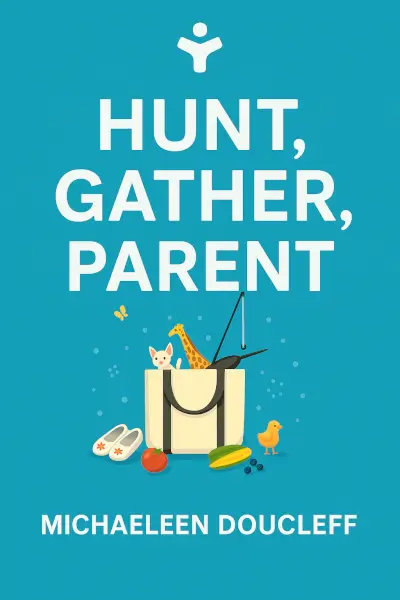
Hunt, Gather, Parent: What Ancient Cultures Can Teach Us About the Lost Art of Raising Happy, Helpful Little Humans
Ready to Take Action?
Get the Mentorist app and turn insights like these into daily habits.