Don’t Yell Back—Children Mirror Your Calm or Your Anger
The next time a child’s shouting shakes the house, notice what happens if you resist raising your voice—even when you're triggered. Instead, you take a breath, lower your eyes, and let your shoulders drop, sending out a wave of quiet through the noise. In an Inuit home, this response is the norm, not the exception. There, parents act as emotional anchors, offering a silent signal that says, 'You’re safe, you can come back when you’re ready.' Sometimes, the only sound is the gentle hum of the refrigerator or the clock ticking in the background. Children catch calmness like a contagion, their storm fading as they match your pace. Later, the mess can be cleaned, the lesson discussed, but the heat of the moment simmered out without collateral damage.
This process is more than psychological good sense—it taps into mirror neurons and the biology of co-regulation. The science is clear: children learn to handle stress and big feelings not from lectures, but from living, breathing examples of calm in the chaos.
When the next meltdown comes—and it will—force yourself to slow down, drop your posture, and hush your words, even if your nerves are frayed. Stand nearby, touch your child’s shoulder if welcomed, and say as little as possible. Trust your calmness to do the work. As the situation eases, notice how your energy shifts theirs. Later, revisit the moment together when peace has returned, and let the lesson stick without anger or argument. Try practicing this anchor-like presence with your kids, partner, or anyone caught in emotional turbulence.
What You'll Achieve
Cultivate emotional resilience and trust in heated moments, leading to fewer power struggles, quicker emotional recovery, and deeper mutual respect.
Answer Meltdowns with Quiet, Still Energy
Drop your voice and physical energy during crises.
When a child screams, cries, or lashes out, respond by lowering your own voice, slowing your movements, and making your facial expression gentle and neutral.
Withhold explanations or arguments in the heat of the moment.
Avoid trying to reason or talk them out of the tantrum while emotions are sky-high; save teaching for later, when everyone is calm.
Stay close and offer gentle touch or presence.
Nonverbal support—a touch on the arm or simply staying nearby—conveys safety better than words and helps children find their own calm.
Reflection Questions
- How do I typically respond when someone yells or argues with me?
- What does my body do when I feel anger rising?
- In what situations outside parenting could this calm approach help me?
- How did past caregivers respond to my meltdowns, and how did it feel?
Personalization Tips
- At work: De-escalate heated conflicts by speaking softly and slowing down instead of matching frustration.
- Friendships: When a friend is upset, offer silence or a reassuring look instead of rushed advice.
- Teaching: Calm a loud, restless class with stillness, not stronger commands.
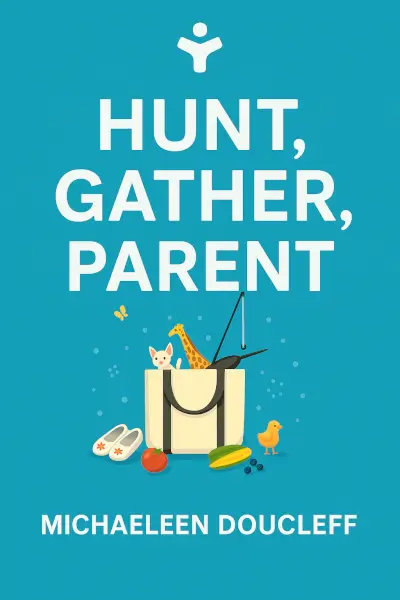
Hunt, Gather, Parent: What Ancient Cultures Can Teach Us About the Lost Art of Raising Happy, Helpful Little Humans
Ready to Take Action?
Get the Mentorist app and turn insights like these into daily habits.