To Raise Really Helpful Kids, Stop Shutting Down Their Messy Enthusiasm
Across cultures where cooperation flourishes, a simple but counterintuitive truth emerges: the path to raising truly helpful, team-oriented children starts when parents stop micromanaging, stop shooing kids away for being 'too young,' and start letting even toddlers take real—if messy—part in household work. In one Maya home, a clumsy three‑year‑old is handed dough to help her mother make tortillas, her oddly shaped pieces landing proudly on the fire alongside her mother’s. Meanwhile, a well-meaning parent in San Francisco keeps a toddler at bay to avoid messes, believing she’ll assign chores 'when the child is old enough.' The result? The Maya child launches eagerly into new tasks, proud of each improvement; the Western child never develops the habit—or confidence—to pitch in without prompting.
Instead of blocking a child's desire to 'do it myself,' parents in these communities value early participation more than polished results. The messes are seen as investments, not annoyances. As the years pass, kids who practiced side-by-side—despite their awkwardness—move naturally into bigger family roles. The expectation for voluntary, real help is set early and reinforced by practice, not lectures. In contrast, children who are repeatedly told 'not now, you’ll just slow me down' lose interest, and later have to be bribed or nagged to participate at all.
Psychologists call this the habit loop: early actions, even messy or inefficient, become automatic with time. The key is not waiting for 'readiness,' but building skill and motivation through hands-on, meaningful practice. Instead of fake toys or busywork, real contribution (even poorly executed) is the foundation of helpfulness that sticks for life.
Next time you’re tempted to clean up alone or worry about the extra mess, invite your child into the action—even if they’re tiny or seem more hindrance than help. Hand them the sponge, the bag, or the spoon. Let them see what you’re doing, and don’t rush to set up a separate activity. If things get chaotic, breathe, remember it’s practice, and gently reset. By accepting these imperfect steps now, you’re laying the groundwork for a child who loves to help—not just when asked, but because they feel it’s their role. Try it out the next time you cook, clean or run errands together.
What You'll Achieve
Build a household where children see themselves as capable contributors, develop confidence through real tasks, and parents enjoy more teamwork instead of resistance. Emotional patience and a practical family support network emerge.
Let Young Children Practice Real Chores Early
Encourage toddlers to join real household tasks.
Invite kids as young as one or two to help with authentic chores like carrying groceries, wiping tables, or stirring food, regardless of how messy or slow they are.
Avoid shooing young children away from your work.
Resist the urge to keep them busy with toys or screens while you do chores; instead, allow them to be beside you and participate in some way.
Accept imperfect and even messy efforts.
Let children try, even if they spill or make mistakes, and view it as valuable practice rather than failure or added work.
Break big tasks into doable steps for kids.
If a chore is too tough or risky, give a smaller or safer part of it to the child—for example, let them hand you vegetables instead of chopping them.
Reflection Questions
- What tasks do I usually keep my child away from, and why?
- How do I react when their help actually slows me down?
- What childhood memory do I have about being included (or excluded) from important work?
- How can I break a regular chore into a step my child can safely try this week?
Personalization Tips
- At work: Let new team members take small but real responsibilities instead of only watching.
- In relationships: Let your partner help, even if it means things aren’t done ‘your way’.
- Health: Encourage a friend to prep healthy snacks together, ignoring initial clumsiness.
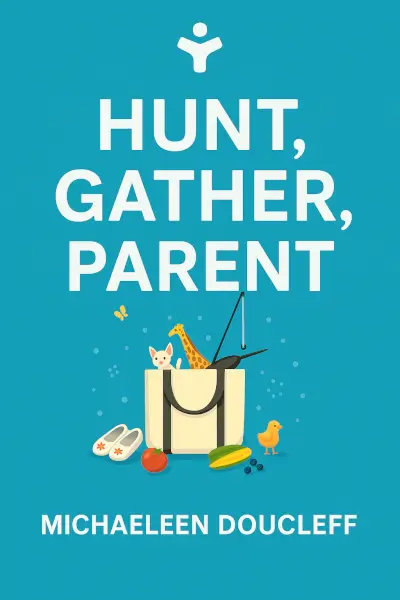
Hunt, Gather, Parent: What Ancient Cultures Can Teach Us About the Lost Art of Raising Happy, Helpful Little Humans
Ready to Take Action?
Get the Mentorist app and turn insights like these into daily habits.