Freedom from Perfection: Why Showing Your Mess Is the Fastest Route to Belonging
It’s tempting to curate your life, to polish every story before sharing, chasing the safety of acceptability instead of real connection. But time and again, people discover that hiding their flaws is lonely business. The first time you admit, 'I haven't folded laundry in a week,' or 'I burned dinner again,' you half expect judgment. Instead, what often comes is laughter, shared stories, and relief—either in person or as texts ping back with 'Me too!'
Even professional spaces echo this. A manager who admits to missing an email thread finds their team breathing easier, finally able to confess their own mistakes without dread. The ice breaks. The room softens. People stop performing for acceptance and start connecting through shared imperfection.
Studies in social psychology call this the 'Pratfall Effect'—making a mistake and owning it increases likability. It also signals humility. Showing up real, with your mess and your missed spots, invites others to remove their armor too. Belonging isn’t won by appearing perfect, but by proving you’re safe and human.
This week, push yourself to share one true, imperfect moment—a photo, a quick admission, even a small goof—in a safe group or at dinner. See how people respond; you may find smiles, relief, even gratitude as more stories come out. Instead of controlling your image, let yourself be known as real. Notice whether the old worry about having to be perfect fades just a bit. Try it: the fastest route to belonging really is letting people see the mess as well as the success.
What You'll Achieve
Break down the barriers of perfectionism, feel belonging and acceptance in communities, and reduce stress from keeping up a false ideal.
Broadcast One Imperfect Story on Purpose
Decide which imperfection you’ll share this week.
Pick something relatable but real—messy closets, burned dinners, failed attempts.
Share it publicly in one safe context.
Post to a trusted group, bring it up at work or in your friend group, or share in a family chat.
Observe who responds and how.
Notice if others respond with their own stories, humor, or thanks. Do you feel more at ease or less left out?
Reflection Questions
- What imperfections do you most often hide from others?
- How do you feel when someone else reveals their messy side?
- What would it take to choose honesty over appearance for one day?
- Which group or friend feels safest to experiment with realness?
Personalization Tips
- Post a photo of your 'floordrobe' to a friends’ group, making a joke about laundry chaos.
- Share a recent failure in a team meeting to normalize not getting it all right.
- Confess to other parents that you forgot your kid’s lunch—then listen as others share their flubs.
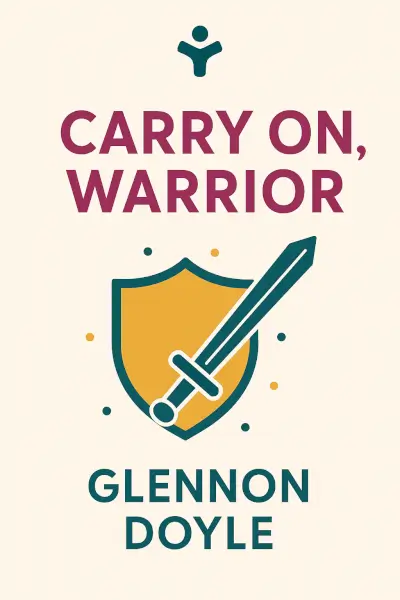
Carry On, Warrior: Thoughts on Life Unarmed
Ready to Take Action?
Get the Mentorist app and turn insights like these into daily habits.