How Changing Your Paradigm Changes Your Life—Even if You Weren’t the Problem
Standing in a crowded hallway, you catch a friend’s comment and immediately feel the heat rise in your face. You assume they’re mocking you, and you carry that story, letting it spoil your day. Later, you learn they’re struggling with a family crisis and weren't even thinking about you. The story you lived was shaped not by fact, but by your paradigm—the mental glasses you wore all day.
Paradigms are those invisible filters that determine what we notice, how we interpret it, and, sometimes, how we sabotage our own hopes. They’re built from past experiences, stories we’ve heard, assumptions we’ve never questioned. But, as psychologists point out, the moment you swap out those 'glasses,' new possibilities open up. A girl who always felt ignored by teachers tried imagining they were under tremendous pressure, and, suddenly, her responses shifted from resentment to curiosity. Small change, big relief.
Applying this reflective lens is not about being naive or pretending problems don’t exist; it’s about giving yourself permission to see more of the big picture. Most of the time, you’ve just been wearing the wrong prescription.
Whenever you feel frustrated or misunderstood today, pause and consider whether your lens might be fogged up by old assumptions. Ask someone for their side, or just try a new story about what’s happening. If you assume the best instead of the worst, you might find your outlook and your actions change—maybe not like magic, but often enough to surprise you. Switching paradigms isn’t easy, but even one test can reshape your day, maybe your week. Give it a try next time you’re caught up in old thinking.
What You'll Achieve
Improve your self-awareness, release anger or judgment more easily, and improve relationships through greater empathy and flexibility—while also lowering stress.
Check and Shift Your Paradigms Before Acting
Notice moments when strong emotions cloud your judgment.
Whenever you feel offended, angry, or hopeless, pause and ask, 'What assumptions am I making about the situation or person?'
Look for new information to challenge your view.
Before you act, ask another person for their story, or reconsider if there’s something important you’re missing. There may be something behind the scenes affecting behaviors.
Test a new lens and see what changes.
Imagine the best possible reason for someone’s actions and try behaving as if it’s true for a day. Notice how your own mood and outcomes shift.
Reflection Questions
- What story do you usually tell yourself when someone upsets you?
- Has your first impression ever been wrong—how did you learn the truth?
- What’s something you’ve believed about yourself or others that turned out to be incomplete?
- How can you apply this idea the next time you’re misunderstood?
Personalization Tips
- When classmates ignore you: Consider whether they might be dealing with hardships you can’t see.
- If a parent reacts harshly: Wonder if job stress or their own struggles are affecting their mood.
- With teachers: Instead of assuming they’re out to fail you, try asking for their reasoning or perspective.
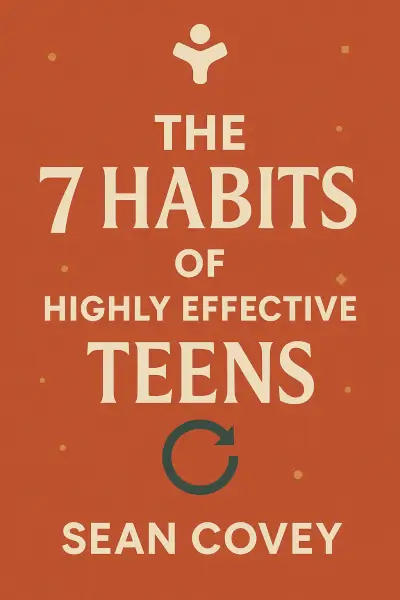
The 7 Habits of Highly Effective Teens: The Ultimate Teenage Success Guide
Ready to Take Action?
Get the Mentorist app and turn insights like these into daily habits.