Habits Shape Organizations Too—How Good and Bad Patterns Can Make or Break Teams
Rhode Island Hospital was world-class on paper but simmered with silent battle lines between doctors and nurses, each following unspoken routines. When small warning signs—like a missing consent form—appeared, the default responses were shaped not by policy manuals, but by habits: juniors stayed quiet, superiors made quick (sometimes hasty) calls, and the risk of error lingered beneath the surface. The result? Not only were tragic mistakes more likely, they became almost inevitable in the absence of safe, collaborative routines. But this isn’t unique to hospitals. Schools, offices, and sports teams all live and die by organizational habits—agreements both spoken and silent that define who speaks up, who listens, what risks get rewarded, and which are ignored.
When leaders introduce a single new keystone routine, or call out unfair or dangerous habits, the entire culture can shift. After a crisis, teams that used to default to silence may adopt checklists or open forums, find mistakes faster, and support each other through challenges they once faced alone. That’s not luck—it’s behavioral science in action, at scale, transforming lives and outcomes for the whole system.
Take a step back and watch how your group, class, or family interacts—what are the typical moves, the silent signals, the things no one questions? See if you can spot the habits that dominate, good or bad. Pick out one routine that seems to ripple out most strongly. Then, gently dare to tweak this pattern: suggest a test run for a new meeting format, or try an open round of feedback, and keep an eye on what changes. You’ll quickly see how small shifts in teamwide habits can make all the difference.
What You'll Achieve
Gain diagnostic skills to recognize group patterns, confidence to suggest and test culturally meaningful habit changes, and the insight to foster healthier, safer, and higher-performing teams.
Diagnose and Design Teamwide Routines
Observe an Organization’s or Group’s Daily Habits
Notice not just your own routines, but how teams, classrooms, or families operate together. Write down unwritten rules and typical responses.
Identify One Key Keystone Habit That Drives Culture
Find a routine or agreement—like open communication or daily check-ins—that shapes bigger outcomes, for better or worse.
Suggest One Safe Experiment to Shift Routine
Propose or model a small change in the keystone habit (such as more collaborative feedback or setting a new meeting norm) and track the ripple effect.
Reflection Questions
- What are the silent rules that guide behavior in your most important group?
- Which routine most defines how the team responds to stress or mistakes?
- If you could design one new group habit, what would it be and why?
- How might a small change in team routine ripple out across outcomes?
Personalization Tips
- A class starts every day with a two-minute gratitude round, boosting morale and participation.
- A sports team agrees on a pre-practice check-in to improve focus and mutual respect.
- An office institutes 'no-email Fridays,' transforming communication styles and reducing stress.
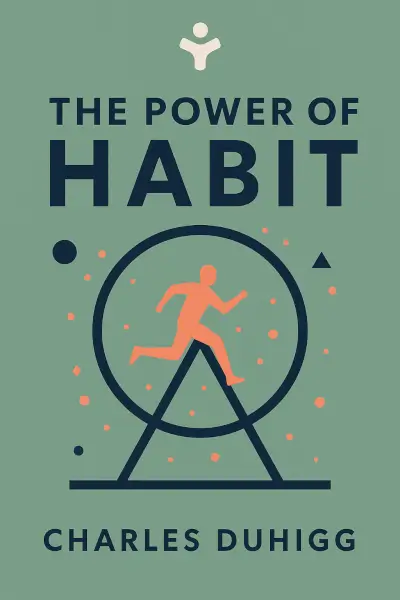
The Power of Habit: Why We Do What We Do in Life and Business
Ready to Take Action?
Get the Mentorist app and turn insights like these into daily habits.