You Can’t Erase Bad Habits—But You Can Rewire Them by Keeping Old Cues and Rewards
Ever notice how stubborn some habits feel—snacking when you’re not hungry, biting your nails, or even checking your phone the moment you feel anxious? You try to stop cold-turkey, but the urge always returns. Here’s the deeper truth: science shows you can’t just erase a bad habit, because the old cue and craving for the reward remain inside your brain, ready to spring back to life under stress or boredom. The secret lies not in deleting the loop, but in swapping out the middle part: the routine itself.
Take Mandy, a lifelong nail-biter embarrassed by her ravaged fingertips. Her trigger was tension at school, the reward a fleeting sense of relief and physical completeness. With guidance, she learned to spot the cue and, instead of biting, grabbed a tiny stress ball or tapped her fingers rhythmically on her desk. The satisfaction came just the same. No scolding, no guilt, just repeat and refine. It took practice (slips happened lots!), but eventually the new, healthier routine edged out the old. The tension faded as biting lost its hold.
Successful change, researchers have found, is all about identifying the right moment—the cue—and designing a new response that delivers the same payoff. Keep swapping routines until you land on one that sticks. Self-compassion and patience are part of the plan.
Find just one undesired habit—with a rock-solid trigger and a reward you enjoy—and write down the exact cue and payoff. Spend a few minutes brainstorming a replacement action you could realistically do when the cue appears, even if it feels awkward at first. Let yourself practice the swap without getting mad at slips, focusing only on the sequence. Celebrate every time you complete the new routine and get the same reward. Real change is less about 'breaking' bad habits and more about outsmarting them—give this workaround a go, and see what shifts.
What You'll Achieve
Develop practical tools to change even the most persistent habits by focusing effort where it works—on routines—gaining control over reactions and building new, healthier patterns.
Swap Only the Routine, Keep Triggers and Payoffs
Pinpoint an Unwanted Habit with a Strong Cue and Reward
Select something you do repeatedly and want to change—like biting nails, overspending, or constant snacking. Note what sets it off and what makes it feel good.
Design a New Routine for the Same Situation
Brainstorm alternative actions you can take when the cue appears that provide the same (or similar) reward. Keep the transformation as simple as possible.
Practice Replacing the Routine Without Judging Yourself
Every time the cue shows up, do the new routine—even if you slip sometimes. Focus on repetition and celebrate when you get the reward from the fresh action.
Reflection Questions
- Which stubborn habits seem hardest to delete from your life?
- What triggers your urge—the emotional, physical, or situational cues?
- Can you think of rewarding alternatives that might satisfy the same craving?
- How might self-forgiveness support consistency as you practice the swap?
Personalization Tips
- A student replaces their nail-biting with squeezing a stress ball when bored in class, keeping the physical stimulation.
- A parent swaps nightly doomscrolling with a five-minute journal entry for the same relief and reflection reward.
- In team meetings, an employee changes the urge to interrupt with writing down their thought first, capturing the same reward of expressing ideas.
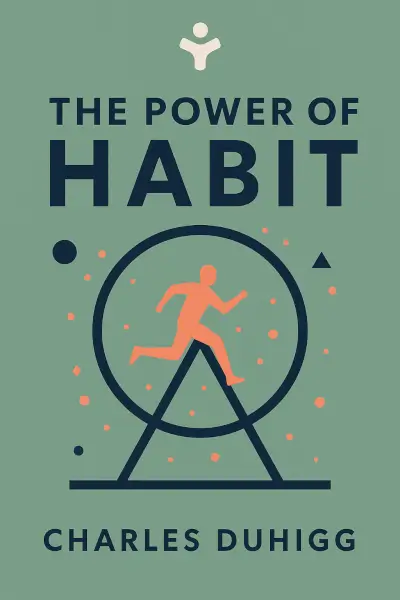
The Power of Habit: Why We Do What We Do in Life and Business
Ready to Take Action?
Get the Mentorist app and turn insights like these into daily habits.